
Post-workout recovery is the phase where adaptation, repair and performance gains actually occur. Exercise creates the stimulus, but recovery determines whether that stimulus is converted into measurable improvement or prolonged fatigue. The goal of recovery is to optimize this process by reducing inflammation, supporting tissue repair and restoring function.
Key Recovery Strategies for Better Muscle Repair and Reduced Soreness

Recovery is most effective when multiple strategies work together rather than in isolation. Supporting hydration, nutrition, circulation and rest simultaneously creates a stronger environment for muscle repair and adaptation after training.
Drink Plenty of Water
Hydration is one of the most immediate and overlooked parts of recovery. Fluid loss through sweat can amplify fatigue and cramping. Rehydration should be gradual and consistent, with attention to balancing electrolytes like sodium, potassium, magnesium, chloride, calcium and phosphate.
Keep Meals Balanced

Nutrition provides the raw materials for tissue repair. Protein supports muscle protein synthesis, while carbohydrates replenish glycogen stores you deplete during training. Recovery depends on a sustained daily intake that matches training demand.
Focus on Active Recovery
Active recovery is often more effective than complete rest. Low-intensity movements such as walking, cycling, swimming or mobility work increase blood flow, delivering nutrients to muscle tissue while assisting metabolic waste clearance.
Prolonged inactivity after intense training can increase soreness.
Prioritize High-Quality Sleep
View this post on Instagram
Sleep remains the most powerful recovery tool available. Deep sleep is when the majority of muscle repair, hormone regulation and nervous system recovery occurs.
Poor sleep quality directly impacts your strength, increases soreness perception and reduces performance.
Consistent sleep timing and a controlled sleep environment significantly improve recovery outcomes.
Consider Heat Exposure
Heat exposure is also widely used to support recovery. It can lessen muscle spasms and joint stiffness by bringing more blood to the area. This is where sauna-based recovery can be particularly helpful.
The Benefits of Sauna Recovery
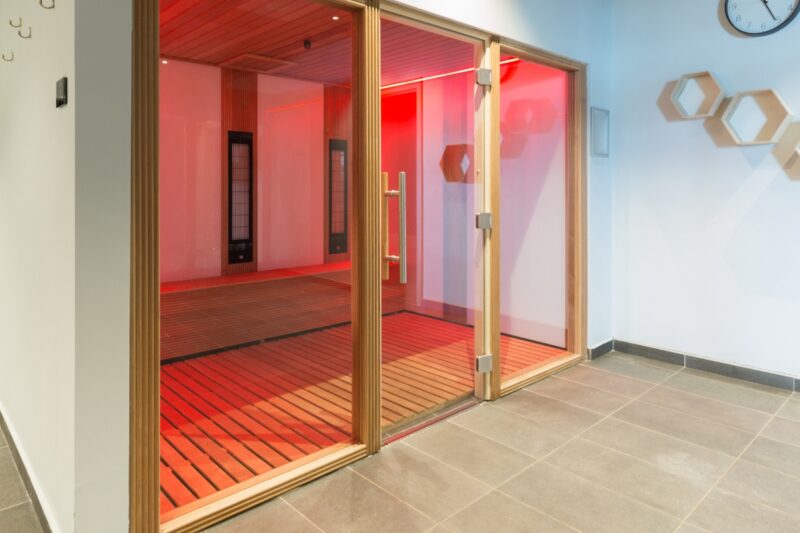
Infrared sauna use has become a structured recovery tool for many individuals seeking to reduce post-exercise stiffness and support relaxation.
Brands such as Sunlighten focus on home infrared sauna systems designed around relaxation, recovery and consistent wellness routines.
Unlike traditional heat therapy, infrared systems deliver deep, penetrating heat that gently raises core body temperature, promotes circulation and supports muscular relaxation after training.
For athletes and active individuals, sauna recovery is increasingly being incorporated alongside hydration, nutrition, mobility work and sleep as part of a broader recovery strategy. Heat exposure can help create a dedicated transition period between training and rest, supporting physical recovery and system regulation.
Because sauna recovery works best when used consistently, placement within the home becomes extremely important. An infrared sauna that is convenient and integrated into daily routines is significantly more likely to be used regularly than one placed in an isolated or impractical location. The ideal placement should support accessibility, comfort and routine flow.
When deciding where to put an infrared sauna in your home, consider the following:
- Place it near your workout area or home gym to create a seamless transition from exercise to recovery.
- Choose a quiet, low-traffic space where you can relax without interruption.
- Prioritize accessibility so sauna use becomes part of your regular recovery habits rather than an occasional activity.
- Ensure adequate ventilation and a comfortable environment, even though infrared saunas do not generate steam like traditional units.
- Keep it close to practical recovery elements such as a shower, water source or changing area.
- Allow enough installation clearance for safe operation and long-term usability.
Spare rooms, dedicated wellness areas, finished basements and home gym adjacencies are often ideal because they allow recovery activities to remain connected. The goal is to create an environment where recovery becomes habitual.
How to Use Sauna Recovery Safely After Training

Sauna recovery works best when it supports the body rather than adding another form of stress. After intense training, the body is already managing elevated temperature, fluid loss and nervous system fatigue. For that reason, sauna use should be approached gradually, especially after long sessions, heavy strength training or high-intensity conditioning.
A practical recovery routine usually starts with a short cool-down first. Light walking, breathing work or gentle mobility helps bring the heart rate down before entering the sauna.
Going directly from maximal effort into heat exposure may feel uncomfortable for some people, particularly if hydration is already low.
For most active individuals, shorter sauna sessions are easier to maintain and recover from. The goal is not to tolerate the most heat possible. The goal is to create a controlled recovery window that encourages relaxation, circulation and consistency.
A balanced post-workout sauna routine may include:
- Cooling down for 5 to 10 minutes after training before entering the sauna.
- Drinking water before and after the session to support fluid balance.
- Starting with shorter sessions and increasing duration only if tolerated well.
- Avoiding sauna use when dizzy, dehydrated, ill or unusually fatigued.
- Allowing time afterward for showering, rehydration and a calm transition into rest.
Infrared sauna recovery should feel restorative, not draining. If a session leaves you lightheaded, unusually tired or more sore the next day, the duration, timing or temperature may need to be adjusted. Recovery tools are most effective when they fit the body’s current condition, not when they are forced into every workout routine regardless of fatigue.
People with cardiovascular conditions, blood pressure concerns, pregnancy, heat intolerance or medical restrictions should speak with a qualified healthcare professional before using sauna therapy.
For everyone else, the safest approach is gradual exposure, steady hydration and attention to how the body responds after each session.
Frequently Asked Questions
The questions below address some of the most common concerns around muscle recovery and infrared sauna use.
Recovery as a Complete System
Post-workout recovery should be treated as an essential part of training rather than an afterthought. Hydration, nutrition, movement, sleep and recovery modalities all contribute to how effectively the body repairs and adapts after exercise. When you combine these strategies, recovery becomes more consistent, reducing soreness, improving readiness and supporting long-term performance goals.