Modeling demands much more than looking good in front of a camera.
Strong posture, balance, stamina, coordination, and body control all affect how well a model performs during fittings, castings, long shoots, rehearsals, and runway shows.
Good preparation should support health and consistent performance.
Extreme dieting, dehydration, or intense last-minute workouts often cause fatigue, soreness, poor concentration, and a tired appearance.
A steady routine built around strength, cardio, mobility, nutrition, and recovery offers better results.
Essential Fitness Areas for Models
A model’s fitness routine should support movement quality, posture, endurance, and control.
Training does not need to focus on heavy lifting or rapid physical changes.
Better results usually come through consistent work across several key areas.
Fitness expectations can differ according to the type of agency, booking, and client.
Agencies such as inter-escort.agency may also place strong attention on confidence, posture, grooming, communication, and overall presentation, which makes balanced physical preparation especially important.
Core and Posture
Core strength helps models maintain an upright posture, move with control, and hold poses without shaking or collapsing through the shoulders.
Strong back muscles and glutes also support spinal alignment and reduce strain during long periods of standing.
Several exercises work particularly well for posture and body control:
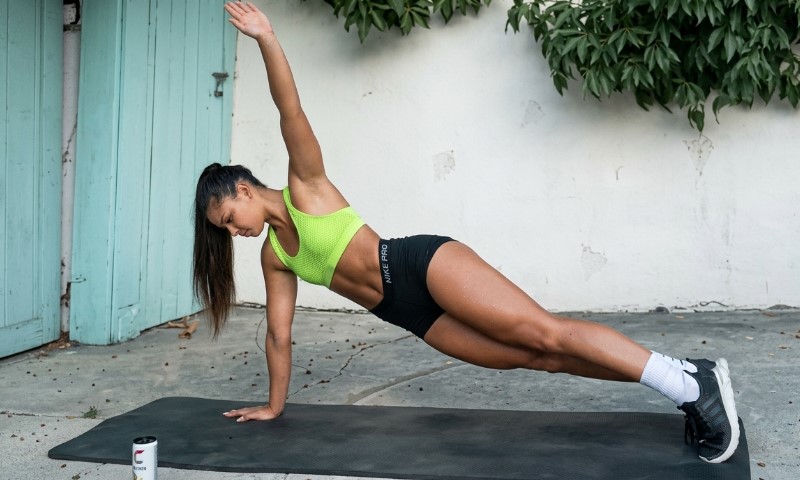
- Planks and side planks improve trunk stability.
- Bridges activate the glutes and support hip alignment.
- Back extensions strengthen muscles that help maintain an upright position.
- Pilates improves controlled movement, breathing, and postural awareness.
Each movement should be performed with control rather than speed. Proper form matters more than completing a high number of repetitions.
Posture training should also continue outside the gym.
Models can practice keeping their shoulders relaxed, chest open, chin level, and weight evenly distributed while standing or walking.
Strength and Endurance
Strength and endurance help models handle long working days without losing posture, coordination, or energy.
Full-body sessions can build physical resilience without requiring bodybuilding-style workouts.
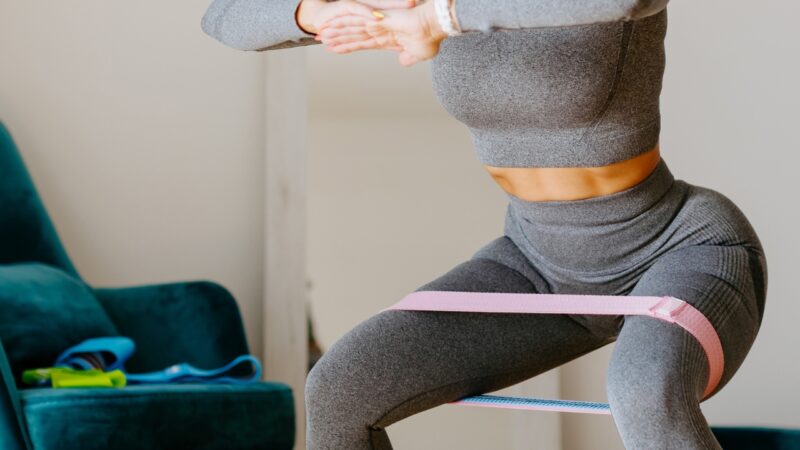
Squats, lunges, push-ups, rows, resistance-band exercises, and hip hinges can train several major muscle groups efficiently.
A practical weekly strength routine should follow a few useful targets:
- Complete one to three sets of 10 to 15 repetitions for each major muscle group.
- Schedule two to three strength-training sessions per week.
- Allow enough rest between sets to maintain proper technique.
Models can aim for about 150 minutes of moderate cardio or 75 minutes of vigorous cardio each week.
Running, cycling, swimming, brisk walking, and dance-based workouts can all improve endurance. Exercise choice should match personal fitness level, schedule, and joint health.
Before a Photoshoot
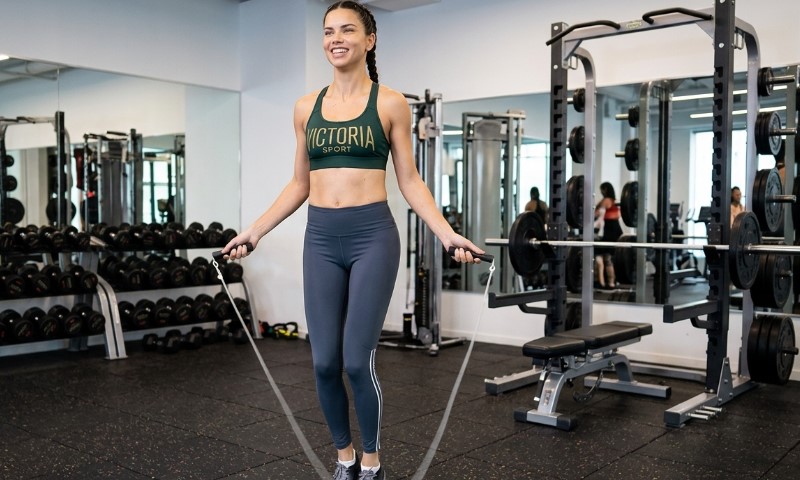
Photoshoot preparation should protect energy, reduce soreness, and help the body look rested.
Sudden changes during the final week often create more problems than benefits.
Normal training should continue during the final week before a photoshoot.
Sudden increases in workout volume can cause soreness, inflammation, muscle tightness, and visible fatigue.
A workout on the day before the shoot is acceptable when it already fits the model’s normal schedule. Intensity should stay moderate, at about 70% to 80% effort. Training to failure should be avoided.
Fitness shoots may benefit from a brief muscle pump shortly before photography begins.
Light resistance can temporarily make muscles look fuller without causing exhaustion.
Useful pre-shoot movements include:
- Push-ups for the chest, shoulders, and arms
- Curls for the biceps
- Lateral raises for shoulder definition
- Band rows for the upper back
- Resistance-band exercises for targeted activation
Such a routine should stay short and controlled. Exhaustion can interfere with posing, facial expression, and muscle control.
Pose practice can also improve results. Models should rehearse common positions, transitions, hand placement, and facial expressions. Holding poses for short periods can build comfort and reduce stiffness during the session.
Competition-level conditioning is not necessary for most shoots. Camera angles, lighting, posture, styling, and posing skill can strongly affect the final image.
Before a Fashion Show
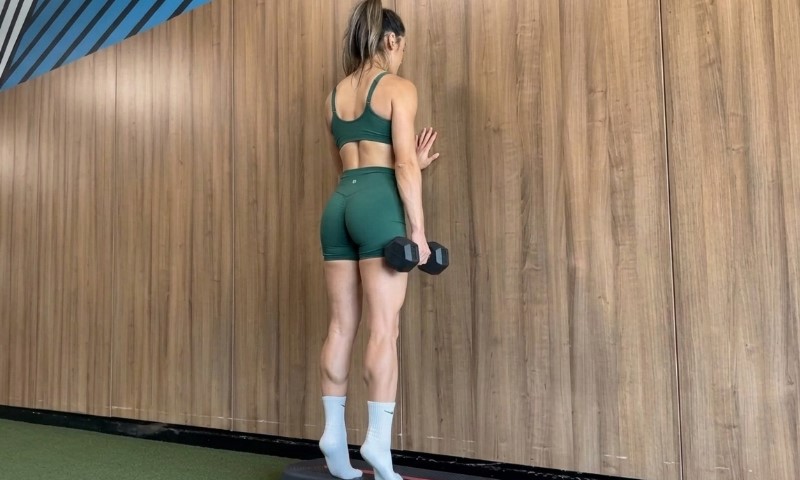
Fashion shows place repeated demands on the feet, legs, posture, and concentration.
Preparation should help a model move well after hours of fittings, waiting, standing, and rehearsing.
Cardiovascular endurance helps maintain energy throughout a long show day.
Regular conditioning also reduces the chance of losing posture or coordination during repeated walks.
Practice sessions should focus on posture, pacing, turns, rhythm, and controlled movement.
Rehearsing in heels or restrictive clothing can help models adjust to shorter steps, altered balance, and limited mobility.
Heavy, unusually shaped, or structured garments may change how the body moves.
Core strength and stable foot placement can help a model keep control without appearing stiff.
Training should prepare several areas that often carry extra pressure during runway work:
- Calf raises strengthen muscles used during prolonged standing and heel walking.
- Ankle circles support mobility and control.
- Toe lifts strengthen the front of the lower leg.
- Single-leg balance drills improve stability.
- Squats and lunges support lower-body coordination.
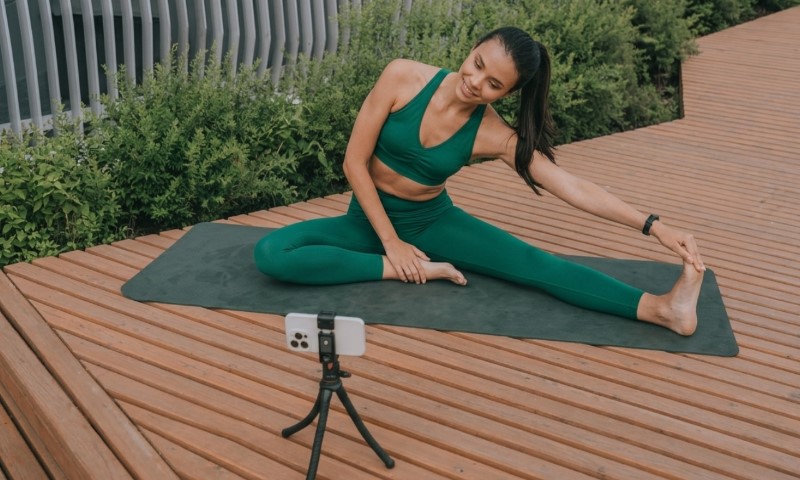
Yoga and Pilates can also support posture, balance, and controlled movement.
Before a Casting
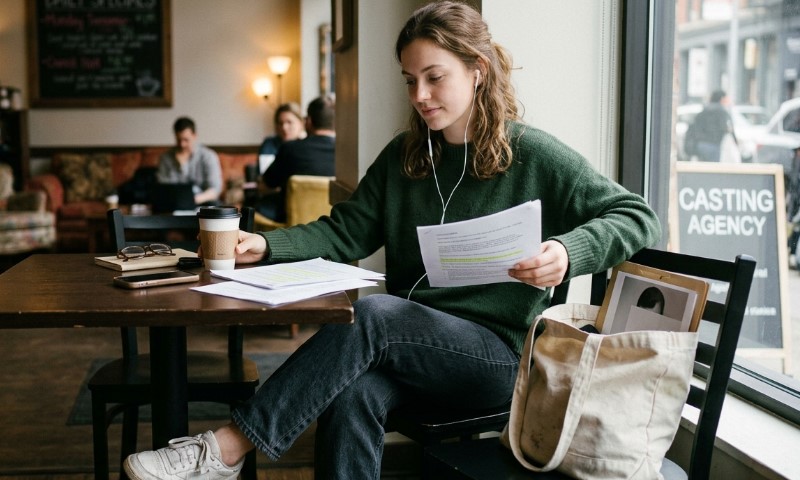
Casting preparation should help a model appear calm, alert, and physically controlled. A demanding workout is usually unnecessary because casting teams often want to see natural movement and personality.
Models may need to show a short walk, controlled turn, relaxed standing posture, and confident body language. A few minutes of practice can help movements feel smoother and less forced.
Light activation exercises can help the body feel awake without causing sweat or fatigue. Good options include glute bridges, bodyweight squats, calf raises, shoulder rolls, and gentle hip mobility.
Breathing and mental preparation also matter. Slow breathing can reduce visible tension, lower physical stress, and support a calmer facial expression.
A simple pre-casting reset may include:
- Inhaling slowly through the nose
- Exhaling longer than the inhale
- Relaxing the jaw and shoulders
- Standing evenly through both feet
- Practicing one clean walk and turn
Casting decisions can depend on confidence, personality, professionalism, and suitability for a specific project.
Physical condition matters, but composure and communication can also shape the final impression.
Nutrition and Recovery
View this post on Instagram
Training results depend heavily on food, hydration, and rest. Poor recovery can make even a well-designed fitness routine less effective.
Balanced meals support energy, concentration, skin health, muscle recovery, and stable mood.
Regular food intake is generally more effective than severe restriction before a booking.
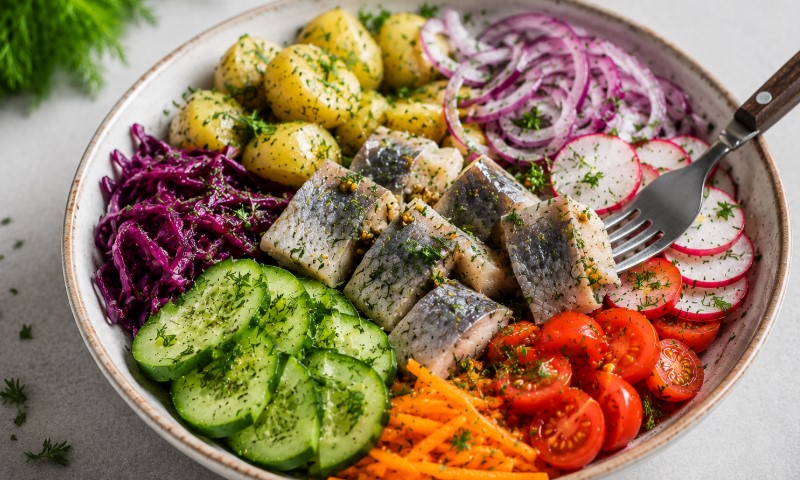
Meals should include lean protein, complex carbohydrates, healthy fats, fruits, and vegetables. Protein supports muscle repair and can help manage hunger.
Reliable protein sources include eggs, fish, chicken, Greek yogurt, tofu, beans, and lentils.
Complex carbohydrates provide steady energy during long workdays.
Oats, quinoa, brown rice, beans, potatoes, and other starchy vegetables can support training and recovery.
Hydration should stay consistent across the week. Adequate water intake supports physical performance, concentration, digestion, and skin appearance.
Before a fitness shoot, a light carbohydrate-based meal can be eaten a couple of hours before call time. Suitable options include oats, a banana, rice cakes, or a small serving of rice.
Longer sessions may require practical food and drink options that are easy to carry:
- Water for regular hydration
- Fruit for quick carbohydrates
- Yogurt for protein and energy
- Sandwiches for a more complete meal
- Crackers or protein snacks for longer breaks between meals
Small increases in familiar carbohydrate foods during the final two or three days may help muscles look slightly fuller. Drastic changes in food intake should still be avoided.
Sleep plays a major role in appearance and performance. Adequate rest supports recovery, eye appearance, mood, coordination, and concentration.
Arriving rested usually produces better results than arriving sore, hungry, or depleted.
Summary
Consistent preparation produces better results than extreme last-minute changes.
Models benefit most when cardio, strength training, mobility, posture work, balanced nutrition, hydration, and sleep are part of a regular routine.
Final preparation should focus on feeling capable rather than exhausted.
Arriving rested, hydrated, confident, and physically ready can improve posture, movement, concentration, and overall professional performance.