Many beginners want to get fit at home, but they often feel stuck before their first workout even starts.
A gym membership can feel expensive, equipment can take up too much space, and complicated routines can make exercise feel harder than it needs to be.
Training tools do not have to mean fancy equipment. For a beginner, useful tools can be simple: bodyweight, household items, a sturdy chair, a timer, a mat or towel, and exercise variations that can scale up or down.
A good home routine should train your whole body. Legs, glutes, chest, shoulders, arms, back, and core all need attention if you want balanced strength and better everyday fitness.
Beginner home training works best when it stays simple enough to repeat.
Start with tools you already have, practice good technique, and make little progress over time.
Tool #1 – Your Own Bodyweight
Your own bodyweight is one of the easiest full-body training tools for beginners. No purchase is needed, no storage space is required, and almost every movement can be made easier or harder.
Bodyweight exercises also help beginners learn control, balance, coordination, and proper movement before adding extra resistance.
Squats, lunges, push-ups, planks, good mornings, glute bridges, and walking jacks can train several major muscle groups in one session.
A beginner bodyweight routine can include two circuits of 10 assisted bodyweight squats, 10 elevated push-ups or knee push-ups, 10 rows using a milk jug or a similar weight, 15 to 30 second knee planks, 10 bodyweight good mornings, and 20 walking jacks.
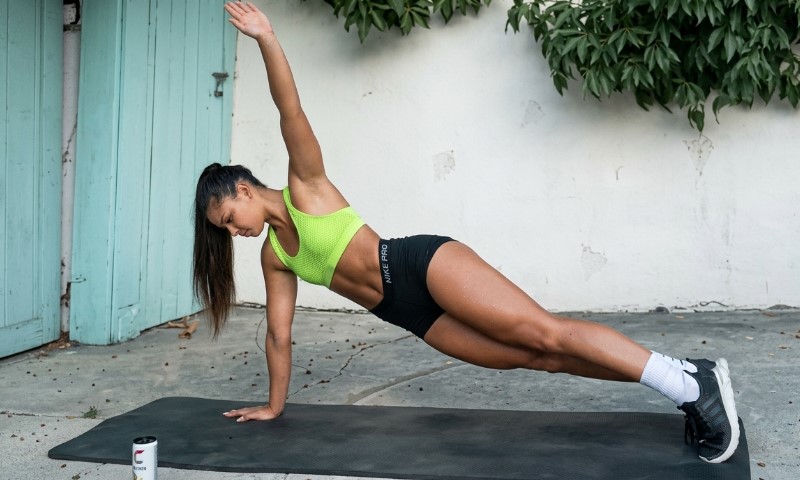
Reverse lunges, push-ups, plank twists, reverse planks, and chair dips can also target most major muscle groups during a short no-equipment session.
Press-ups, shoulder presses, and plank variations can work well for upper-body training when technique and control stay strong.
Start with easier versions if regular movements feel too hard.
Assisted squats, elevated push-ups, knee push-ups, knee planks, and slower movement patterns can help you build skill and confidence without rushing.
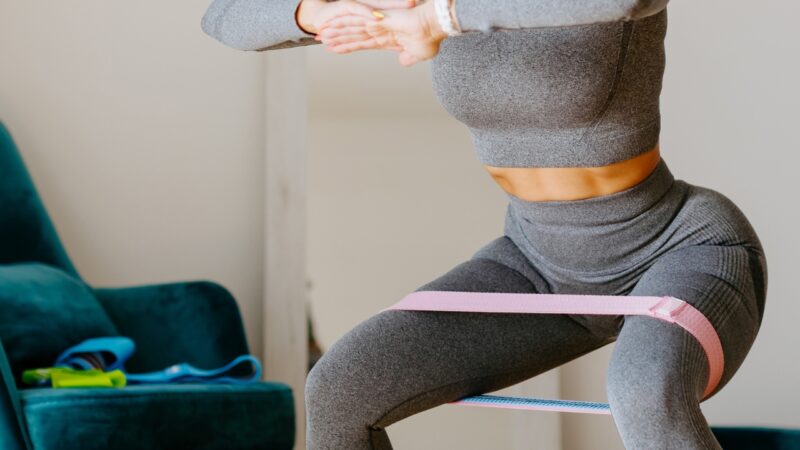
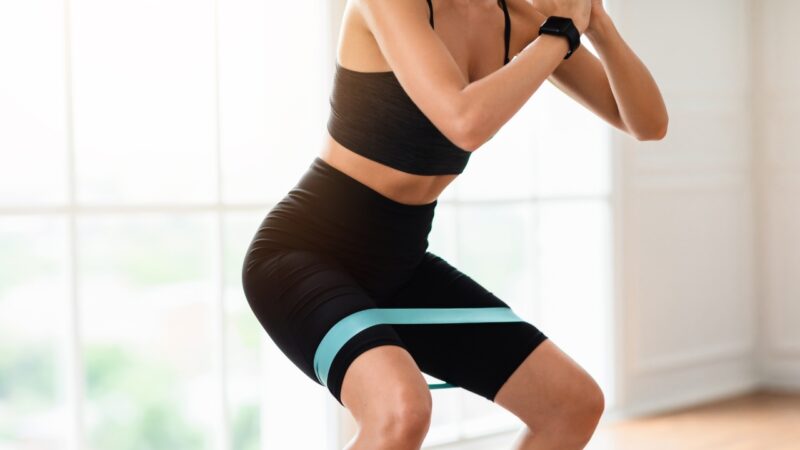
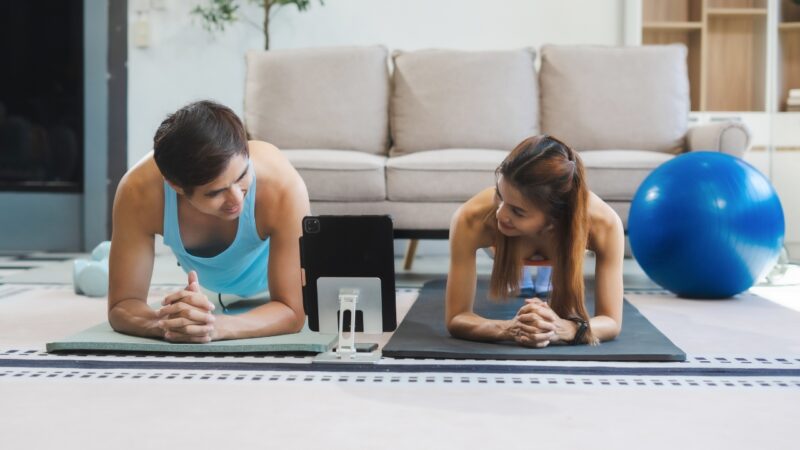
Bodyweight training also makes it easy to adjust effort on any day. Move more slowly, reduce the range of motion, use support, or take short breaks as needed. Household weights can add resistance before you buy dumbbells. Milk jugs, water bottles, a backpack with books, a laundry detergent bottle, or a tote bag with controlled weight can all be useful when they are easy to grip and safe to move. Beginners who want a cleaner, more flexible resistance option can also use a long resistance band for home strength training. A band can add light, controlled resistance without taking up much space, and it can work for upper-body, lower-body, and core exercises. Options with multiple resistance levels make it easier to start light, then increase difficulty as strength improves. A long band can support rows, side arm raises, leg extensions, upright rows, lying leg lifts, lunges with bicep curls, and warm-up stretches. It can also feel easier to grip than some household objects, which may help beginners keep movements smooth and controlled. Start with the lightest resistance, move slowly, and keep tension steady instead of snapping the band back quickly. Choose objects that are easy to hold. Avoid slippery, breakable, awkward, or unstable items. Start lighter than expected, move with control, and stop if your grip feels unsafe. Household resistance should support better movement, not make exercise messy. A lighter item with a secure handle is usually better than a heavier object that shifts or pulls your joints into poor positions. A stable chair can turn a small workout space into a beginner-friendly training station. It can help with upper-body, lower-body, and balance exercises without adding complicated equipment. Chair dips can train your triceps, chest, and shoulders. Incline push-ups can make push-ups easier by raising your hands. Sit-to-stand squats can help beginners practice a squat pattern with a clear target. Assisted reverse lunges can feel more manageable when you hold a chair or wall for support. A short home workout can use a sturdy chair for chair dips, and a chair or wall can also make reverse lunges easier. For chair dips, keep your elbows aimed behind your body instead of letting them flare outward. Controlled movement matters more than speed. Floor tricep dips can train your triceps, chest, and shoulders, while a step, seat, or sofa can increase the range of motion for a fuller tricep dip. Beginners should only progress when joints feel comfortable, and form stays steady. Safety matters with chair training. Use a non-rolling chair, place it against a wall if needed, and avoid step-ups on chairs that wobble. Keep each rep controlled and stop if a setup feels unsafe. Many beginners avoid floor exercises because wrists, knees, elbows, or forearms feel uncomfortable. A mat, towel, or soft floor space can make core, glute, mobility, and plank-based work easier to practice. A mat can cushion your forearms during plank exercises. A towel or cushion can also work when no exercise mat is available. Better comfort can help beginners stay consistent, especially during core training. Plank twists work best when forearms sit under your shoulders, your core stays engaged, and body weight stays evenly split between arms and feet. Reverse planks can start with shorter holds, then increase by about five seconds each time as strength improves. A plank raise can train shoulders, triceps, glutes, lower back, and core, which makes it a strong floor-based full-body movement for home training. Beginners can also use knee-based versions before trying harder plank variations. Comfort can change consistency. A small amount of cushioning may make it easier to repeat workouts and spend more time practicing good positions. A timer helps beginners train without overthinking sets and reps. Instead of counting every rep, you can focus on movement quality for a set amount of time. Timed training can make short sessions feel complete. A beginner can work for 30 seconds, rest for 30 seconds, and move on to the next exercise. Another option is 45 seconds of work with 15 seconds of rest. Some routines use one minute per exercise. A trainer-led home workout can use one minute per exercise, one after another, to complete one round. Beginners can complete one or two rounds, creating a five-minute or 10-minute workout. Moving faster can raise cardiovascular demand, but form should not break down as fatigue builds. Good technique should always matter more than speed. A warm-up of about five minutes before home workouts can help activate muscles and raise heart rate. Easier versions of workout movements can work well for warm-ups because they prepare your body for similar patterns. A timer also makes progress easier to track. Add one more round, reduce rest slightly, or increase work time once your current routine feels manageable. Beginners do not need a gym to train their full body. A useful home setup can start with bodyweight, a sturdy chair, a mat or towel, a timer, household weights, scalable push-up and plank variations, and a simple progression plan. A good beginner plan should be simple enough to repeat consistently. Short sessions can still train major muscle groups when exercises are chosen well and performed with control. Good technique matters more than speed, especially during timed circuits. Fatigue can make form harder to maintain, so slow down, modify, or rest when needed.
Tool #2 – Household Weights and Light Resistance Tools
Tool #3 – A Sturdy Chair
Tool #4 – A Mat, Towel, or Soft Floor Space
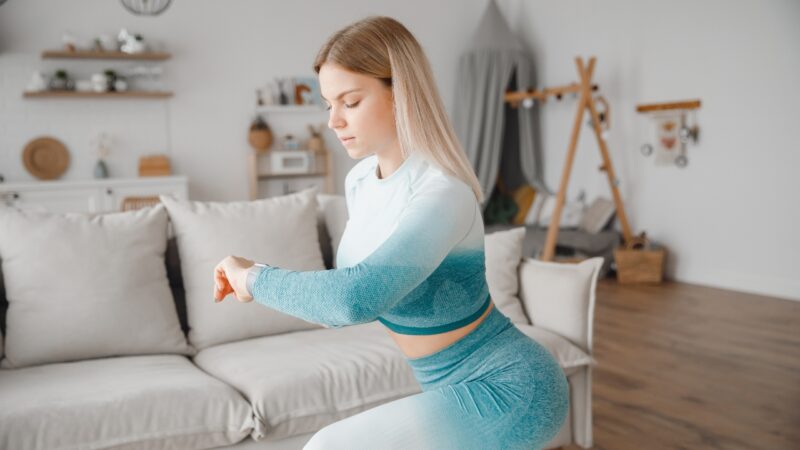
Tool #5 – A Timer or Stopwatch
Summary