Social media has altered how many people view fitness. It has promoted healthier lifestyles through welcoming and engaging messages. At the same time, you might have seen perfectly curated and edited fitness photos that seem innocent but can leave many feeling inadequate.
The Evolution of Fitness Influencers
Fitness influencers are individuals who use their fitness knowledge and charisma to create online content. You might have come across their videos, articles or photos, which usually fall within the realm of exercise, wellness, nutrition and healthy living.
These influencers are seen as credible due to factors like their attractiveness, trustworthiness and expertise according to recent scientific research. They play a huge role in spreading awareness and education, and any people find their content to be a source of inspiration and motivation.
However, a day in the life of a fitness influencer is vastly different from that of a regular person, and the photos they post online don’t necessarily showcase the truth.
Today, the fitness industry is all about personal journeys. As such, influencers offer relatable content that encourages people to replicate their lifestyles. Because conversations about mental health and body positivity have been circulating among these spaces, you might have read or heard fitness tips mixed with personal stories.
This is intentional to make the content feel more engaging and authentic.
The Power of Visuals
View this post on Instagram
The digital world is highly visual. Many fitness influencers heavily rely on editing to create a picture-perfect photo, which might not accurately reflect the day-to-day truth. Currently, over one-third of adults have body image issues, and comparing themselves to unrealistic social media standards has increased rates of anxiety, depression and disordered eating.
Impact of Lighting
Lighting is a huge factor in the end result of photos and videos. There’s a reason why photographers, cinematographers and editors are in huge demand. These creatives understand the importance of light in warping subjects.
It can enhance features and erase imperfections. For example, soft lighting can smooth out the edges of your body, whereas harsh lighting can accentuate them. Golden hour – or the warm and diffused light during sunset – often helps people achieve flattering photos.
Another popular technique used by fitness influencers is backlighting, where light source is placed behind the person. The subject appears to have a halo of light surrounding them, creating depth and enhancing their physique.
Importance of Angles
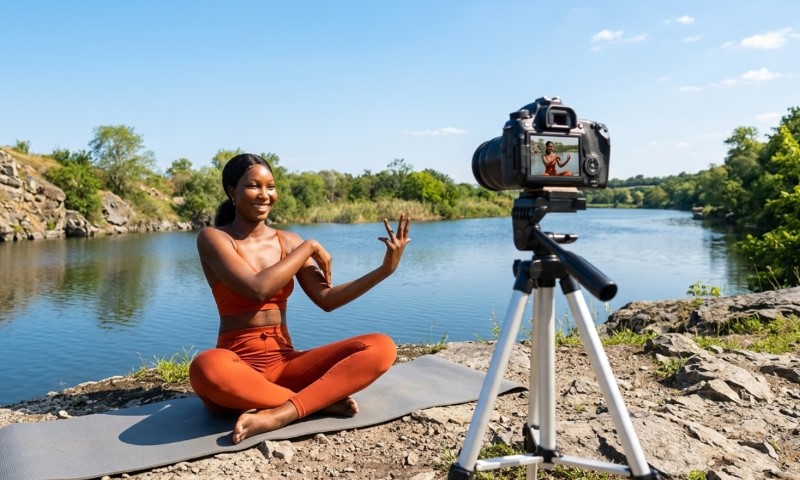
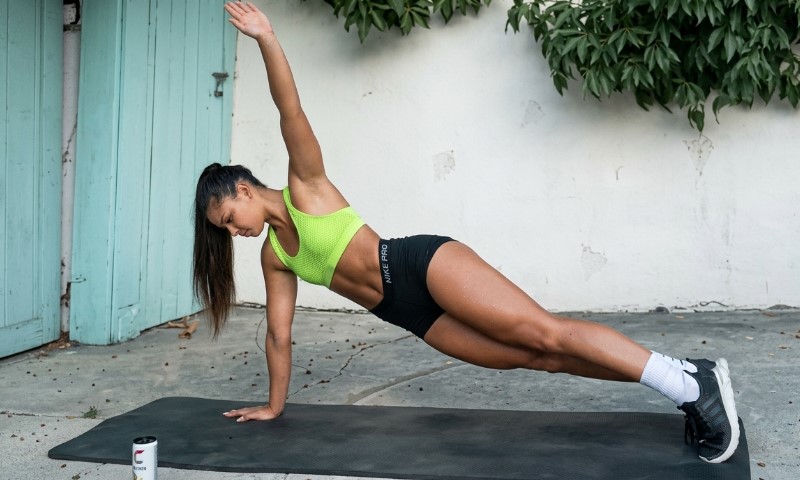
There are two main ways fitness influencers change up angles. First, it is changing where the camera is located. Shooting from above can create the illusion of a slimmer waistline or longer legs.
The second method is by creating angles with your own body. Models and fitness influencers use their best angles for more aesthetically pleasing images. When both strategies are combined, viewers are presented with a carefully constructed image that deviates significantly from their bodies in real life.
These images are meant to be aspirational, but you can see for yourself how much distortion results from just angles. Even minor adjustments can lead to widely different perceptions.
Use of Filters
The evolution of fitness influencers can be seen online. Many start out as regular people who become fitter, with more unattainable bodies and lifestyles as they grow in their careers. Some use filters to their advantage as they grow their audiences.
In fact, around 50% of social media users alter their photos before publishing them online, according to an article from the National Library of Medicine. They can enhance color, smooth out skin and contribute to an overall polished look. Some can even slim down your body without anyone noticing.
The use of these filters is heavily normalized in the culture of aspirational fitness influencers. However, they just show how unrealistic some body goals are.
Mental Health Implications
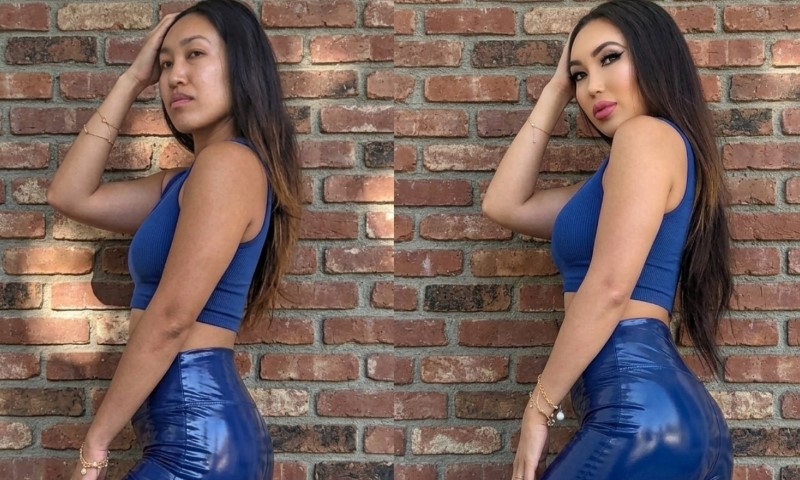
According to research on eating disorders, around 5% of teenage girls and young adults are affected. This makes social media a particularly triggering place. However, edited and filtered images are the norm in these online spaces, even if they aren’t accurate representations of reality.
They are usually distorted perceptions, and comparing yourself to them can be harmful. It’s common to feel you are falling short compared to a heavily edited photo. This insecurity could lead to anxiety and self-esteem issues.
Body positivity communities in these spaces are important to push back against these unrealistic portrayals of bodies.
Promoting Authenticity in Fitness
The most effective change in the industry should come from influencers who prioritize authenticity over heavily edited, unrealistic body images. They can also share real-life struggles in their fitness journey and the privileges they have.
For example, most celebrities and fitness gurus have a whole team behind them that ensures they are picture-perfect. If you see the actual day in the life of a fitness influencer, they have gym coaches, nutritionists and assistants who make their daily life easier.
They also have better access to healthy food and fitness facilities. These efforts paint a more realistic and achievable picture of fitness that ordinary people can replicate.
It’s important to remember that many people have full-time jobs and families that take away time from fully focusing on fitness. Many can only afford a few hours a week for quick workouts, compared to the daily workouts and cardio activities offered by fitness professionals. Working out is their job.
You can start critically assessing the content that appears in your algorithm or in search results. These photos and videos are heavily curated. Choose to follow influencers promoting authentic photos and sharing their unfiltered truths. Additionally, instead of comparing yourself to them, focus on your own journey and well-being while taking inspiration from their ideas.
The Role of Community
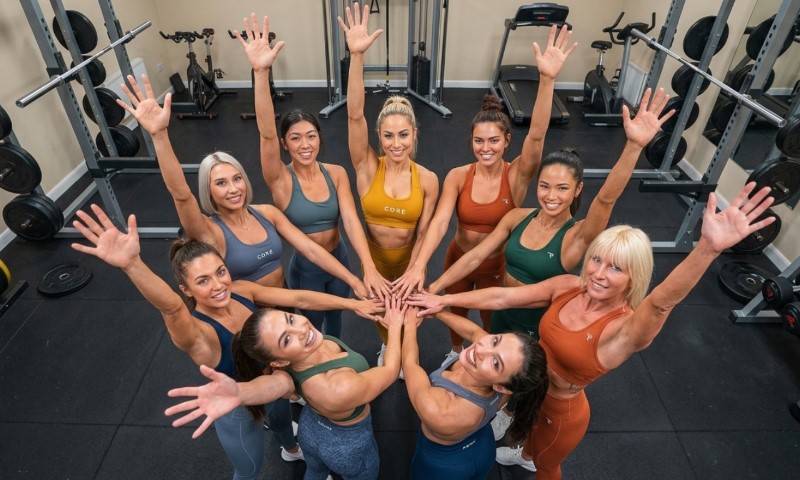
Influencers exist to showcase certain, curated lifestyles and sell products. You can avoid comparison traps by leaning into supportive networks instead. Members of communities are enthusiastic about helping others and connecting about similar passions.
You can hear about real-life shared journeys that highlight both successes and failures people encountered. There are run clubs, virtual fitness challenges and mental health advocacy groups you can join.
Groups usually focus on both the physical and mental well-being of members. Make sure the ones you join prioritize values of kindness, compassion, authenticity and camaraderie instead of consumption, perfectionism and competitiveness.
A positive mindset can carry you a long way in your journey. It can also make fitness more fun and engaging rather than a source of shame and comparison.
Exposing yourself to a wide range of individuals can help paint a realistic picture of what it means to be healthy. Many actively work to include marginalized voices in discussions to make health and wellness accessible to everyone.
Embracing Reality in Fitness
The online fitness culture is steeped in heavily edited and constructed images. The evolution of fitness influencers and the industry has shifted from being supportive to performative. By knowing how photos and videos are used to create a certain effect, you can avoid falling into useless comparison traps.
Remember that a day in the life of a fitness influencer is optimized for workouts. By contrast, most people have to juggle their exercise with jobs, family, social time and other commitments. That’s why it’s important to find authentic role models, join fitness communities and take care of your mental health.