A keto diet is a very low-carb, high-fat eating plan. Its main goal is to move the body into ketosis, a state where fat becomes a major fuel source instead of glucose.
Medical use of keto began in the 1920s as a treatment for children with drug-resistant epilepsy.
Keto plans are still used today for seizure management when medication alone does not give enough control.
Some people with type 2 diabetes may also see better blood sugar control, but medication changes and health risks make medical guidance important.
How Ketosis Works
View this post on Instagram
Ketosis is the metabolic state that makes keto different than a standard higher-carb diet. Instead of relying mainly on glucose, the body begins using more fat and ketones for energy after carb intake stays very low for several days.
Normally, the body uses glucose as a main energy source. Glucose comes mainly from carbohydrate foods such as bread, rice, pasta, cereal, fruit, beans, and starchy vegetables.
When carb intake gets very low, stored glucose begins to run out.
Glycogen, the stored form of glucose in the liver and muscles, holds water along with it. Early weight loss on keto often includes water loss as glycogen levels drop.
After several days of carb restriction, the liver begins making ketones.
Ketones are made when the liver breaks down fat. Brain cells, muscles, and many other tissues can use ketones for energy.
Several changes help explain why energy use shifts during keto:
- Lower carb intake means less glucose is available for daily energy.
- Lower glycogen levels can lead to quick water loss at the start.
- Higher fat use allows the liver to make ketones.
- Ketones can help fuel the brain when glucose intake stays low.
In ketosis, fat eaten in meals and fat stored on the body can both help supply energy. Ketones help fuel the brain, while fat also helps fuel the muscles.
Mild ketosis can also happen naturally during fasting, overnight sleep, or very strenuous exercise. Nutritional ketosis, the goal of a keto diet, is not the same as ketoacidosis.
Ketoacidosis is a dangerous condition involving very high ketone levels and high blood acidity. Healthy people usually produce enough insulin to keep ketone levels in a safe range.
People with diabetes, especially type 1 diabetes or insulin deficiency, need medical guidance because ketoacidosis can be life-threatening.
What to Eat on Keto
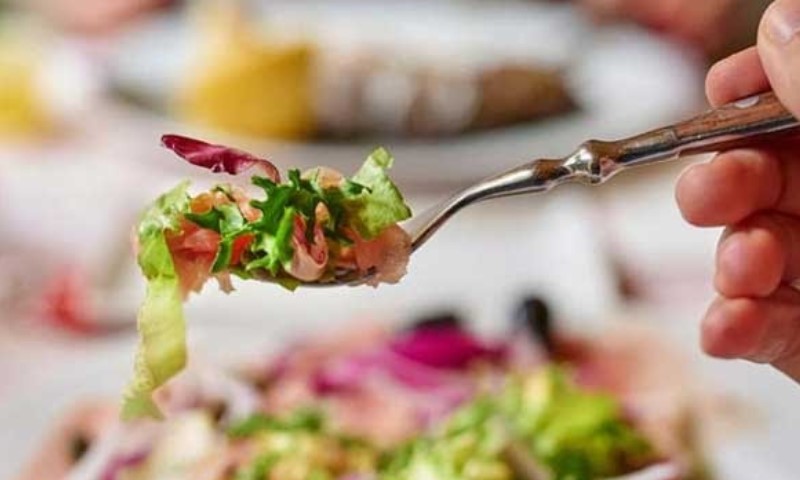
Food choices on keto focus on keeping carbs low while giving the body enough protein, fat, fiber, and nutrients.
A strong beginner plan usually uses simple whole foods instead of relying heavily on processed low-carb products.
Most keto plans keep carbs very low. A common target is below 50 grams of net carbs per day, while stricter plans often aim for below 20 grams of net carbs per day.
Net carbs are total carbohydrates minus fiber. Fiber is usually subtracted because it has less effect on blood sugar than starch or sugar.
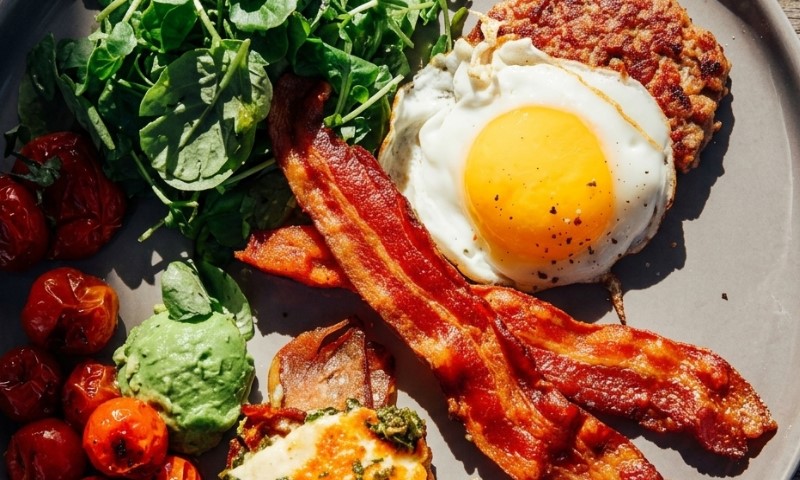
Protein foods can fit well into a keto plan. Good choices include eggs, chicken, beef, pork, lamb, turkey, fish, seafood, tofu, and hydrolyzed collagen peptide as an optional supplement.
Low-carb vegetables add fiber, volume, and nutrients. Good options include spinach, leafy greens, broccoli, cauliflower, zucchini, mushrooms, cucumber, peppers, asparagus, cabbage, and green beans.
Healthy fats help make meals filling. Good choices include olive oil, avocado, nuts, seeds, fatty fish, and olives. Butter can fit into keto, but frequent use of unsaturated fats may be better for heart health.
Foods to Avoid or Limit
Carb-heavy foods can make ketosis difficult because even small portions may use up much of a daily carb target.
Beginners often do best when they identify the biggest carb sources first, then adjust meals around lower-carb choices.
Keto usually limits foods high in starch or sugar. Bread, pasta, rice, cereal, potatoes, corn, peas, beans, and legumes are usually too high in carbs for a strict keto plan.
Sugary drinks, desserts, candy, and fruit juice can quickly use up a full day of carbs.
Most high-sugar fruits also need to be limited, especially bananas, grapes, mangoes, and large portions of apples or oranges.
Many healthy foods do not fit strict keto because their carb levels are too high. Apples, sweet potatoes, whole grains, legumes, and many fruits may be nutritious, but they can make staying in ketosis difficult.
Processed keto snacks can also cause problems. Some are low in carbs but high in calories, saturated fat, or sugar alcohols that may cause stomach discomfort.
Common foods that often need stricter portion control include:
- Sweetened yogurt
- Granola
- Oatmeal
- Crackers
- Sauces with added sugar
- Low-fat packaged foods that replace fat with starch or sugar
Benefits and Risks
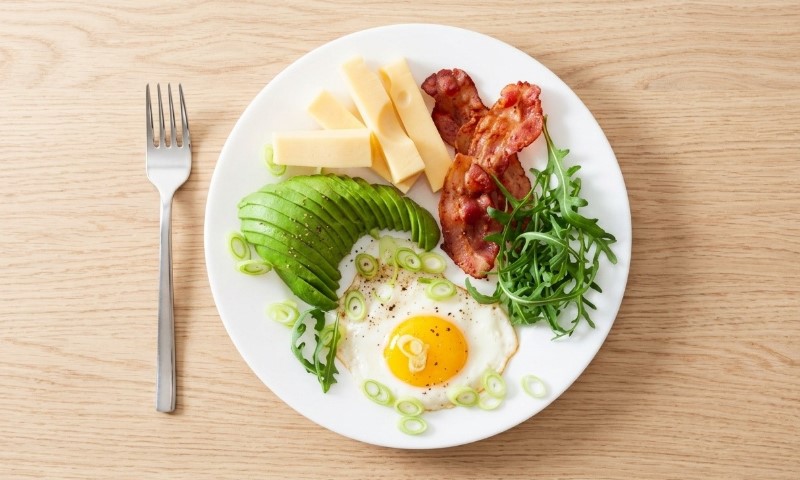
Keto may help some people reach health goals, but it also has tradeoffs.
Benefits often depend on food quality, medical history, carb level, calorie intake, and consistency.
Possible Benefits
Short-term weight loss is one of the most common reasons people try keto.
Lower carb intake can reduce water weight at first, and higher fat and protein intake may help some people feel full with fewer calories.
Reduced hunger and fewer cravings may happen for some people. Fat, protein, and ketones may increase fullness, which can make calorie control easier.
Better blood sugar control may occur in some people with type 2 diabetes. Lower carb intake can reduce blood sugar spikes and may reduce the need for some medications. Any medication changes should be handled by a healthcare professional.
Seizure management is another known use. Medical keto diets can help some people with epilepsy, especially when seizures are not controlled well enough with medication alone.
Many keto studies use diets around 70 to 80% fat, 10 to 20% protein, and 5 to 10% carbohydrate.
Research has shown short-term improvements in weight, blood sugar, cholesterol, and blood pressure for some people. After one year, results are often not significantly different than conventional weight-loss diets.
Possible Risks
Strict carb restriction can affect digestion, energy, cholesterol, and nutrient intake.
Risk level may rise when keto meals rely too much on processed meats, butter, cheese, and very few vegetables.
Keto flu can happen during the first days or weeks. Symptoms may include fatigue, headache, constipation, irritability, low mood, hunger, and brain fog. Fluid and electrolyte changes often play a role.
Constipation and other digestive issues can happen when fiber intake drops. Low-carb vegetables, nuts, seeds, and enough fluids can help, but some people still struggle.
Several health situations call for extra caution before starting keto:
- Diabetes medication use
- Blood pressure medication use
- Kidney disease
- Heart concerns
- Pregnancy or breastfeeding
- History of eating disorders
- High LDL cholesterol or strong family history of heart disease
Summary
Keto works by lowering carbs enough to push the body toward fat burning and ketone production.
When carb intake stays very low for several days, the liver makes ketones that can help fuel the brain and body.
A healthy beginner keto plan should focus on whole foods, low-carb vegetables, moderate protein, and quality fats.
Careful planning matters because keto removes many common foods and can create nutrient gaps.