

Fitness apps continue to gain massive traction as more people turn to digital tools for health, exercise, and daily movement.
Market projections show fitness apps reaching 10.06 billion dollars by 2029, with a CAGR of 9.99% between 2024 and 2028.
Strong numbers reflect interest, but not every app delivers value.
Subscribing without careful review often leads to wasted dollars, lost motivation, and frustration.
Here’s a list of key features that help you find a plan that actually supports your goals and fits your lifestyle.
1. Personalization and Goal Setting
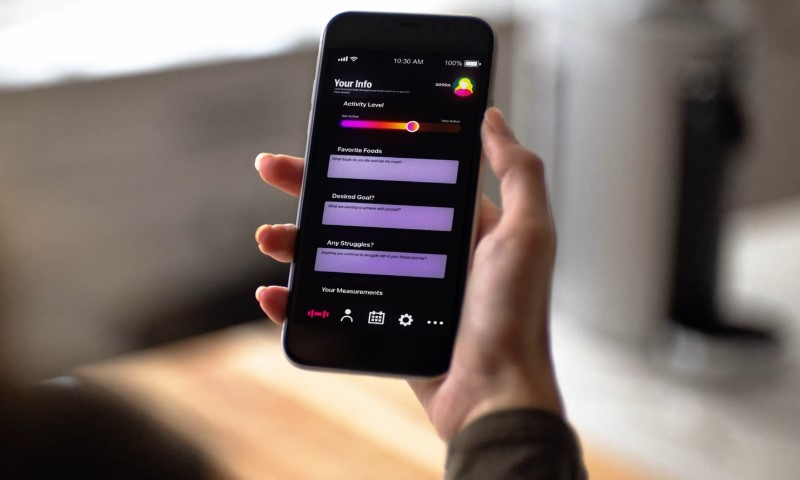
Custom design is essential because every person arrives with different needs, limitations, and motivations.
Apps that adjust workouts based on individual data create far better long-term outcomes than rigid, one-size-fits-all routines.
Strong personalization not only improves results but also keeps you engaged, since plans feel tailored rather than generic.
What to look for:
- Goal-based programs for weight management, muscle development, flexibility gains, or general wellness
- Targets that can be set daily, weekly, and monthly for habit formation
- Input fields for metrics such as height, weight, BMI, and sometimes resting heart rate
- Difficulty settings that adjust training volume, pace, and intensity for all experience levels
Machine learning features often adjust training plans based on performance trends, increasing or reducing intensity in response to user data.
As AI-generated advice becomes more common in fitness blogs and lesser-known apps, it’s smart to stay alert about content sources.
An AI checker free can help identify if guidance was created by a person with relevant expertise or produced by automated tools, which matters when making decisions tied to form, recovery, or nutrition.
Enjoyment also plays a major role, so choose apps that align with the activities you genuinely like to perform.
2. Workout Variety and Training Formats
Motivation tends to drop when routines feel repetitive.
A wide selection of workouts gives your mind and body continual stimulation.
Sessions that rotate training styles help build balanced strength, endurance, and mobility.
Variety also prevents overuse injuries, since repetitive movements are reduced.
What to look for:
- HIIT, strength sessions, Pilates, yoga, stretching, meditation
- Short workouts, such as 7-minute sessions, for packed schedules
- Options requiring equipment and alternatives for bodyweight-only training
- Live classes, pre-recorded coaching videos, and animated demonstrations for clear instruction
More advanced platforms may include AR or VR features, creating highly engaging movement sessions that feel interactive and motivating.
3. Real Trainer Access or Virtual Coaching

Accountability and technique guidance matter for both safety and performance.
Human trainers or advanced virtual systems can correct posture, encourage consistency, and help refine your form.
Reliable coaching support makes training feel structured rather than random.
Strong apps often provide certified professionals who answer questions, evaluate your progress, and offer feedback.
Real-time sessions are especially helpful for beginners who need reassurance during complex movements.
AI-driven coaching tools can analyze motion patterns, correct mistakes instantly, and adapt the session intensity as your form improves.
Notifications from the coach or system also serve as helpful nudges that support habit formation.
4. Progress and Activity Tracking
Progress becomes more satisfying when you can see measurable evidence of improvement. Tracking tools capture data points that show how training habits evolve.
Clear analytics reveal strengths, weaknesses, and areas that require focus.
Apps often include dashboards summarizing calories burned, reps achieved, distance covered, or changes in body measurements.
Sleep quality, hydration, and daily steps may also be logged to give a wider view of your wellness habits.
Reports comparing past results with current performance can identify plateaus early and help you adjust goals intelligently.
Achievement logs add an emotional boost that keeps you consistent.
5. Nutrition and Meal Planning Integration
Exercise makes up only part of a complete wellness approach.
Nutrition plays an enormous role in shaping energy levels, body composition, and recovery.
Apps that provide nutrition features simplify meal prep and remove guesswork.
What to look for:
- Meal plans aligned with dietary preferences and body goals
- Barcode scanning for quick calorie and nutrient insights
- Macronutrient and calorie tracking tools
- Grocery lists, hydration reminders, and recipe suggestions
AI-driven systems may examine your past choices and suggest meals that better suit your targets.
Automated scheduling can remove friction by planning meals that align with your workout intensity and daily routine.
6. Community Support and Motivation Features
Commitment rises when people feel connected to others working toward similar objectives.
Social features transform solo training into a supportive group effort.
Motivation increases as you compete, encourage others, or simply share progress.
Many apps create community challenges that maintain excitement throughout the month.
Leaderboards inspire friendly competition while rewards and streaks encourage consistency.
Group workouts and accountability partners help hold you responsible for scheduled sessions.
Public goal sharing often boosts confidence and keeps you engaged long enough to form strong habits.
7. Device Compatibility and Offline Functionality

Smooth integration with your tech setup enhances convenience and accuracy.
When your devices communicate effortlessly, your data stays organized and your routine feels more natural.
Connectivity also increases reliability, since workouts can be accessed in multiple environments.
What to look for:
- Syncing with wearables like Apple Watch, Fitbit, and Garmin
- Links with platforms such as Google Fit for consolidated tracking
- Access across smartphones, tablets, and smart TVs
- Offline workout access during travel or low-signal conditions
Unified dashboards make it easier to review long-term patterns in activity, health logs, and personal performance.
8. Pricing Model and Trial Period
Financial choices deserve careful evaluation.
Paying for a subscription that fails to offer substantial value leads to disappointment.
A clear pricing structure helps you determine exactly what you are getting in return.
Free trial periods allow you to assess features without risking your budget.
Transparent plans with limited upsells protect you from surprise expenses.
Strong apps often combine coaching, nutrition tools, and customization within a single package, giving you more value for each dollar spent.
Upsells should only be considered if they genuinely enhance your experience.
Summary
Smart choices produce better training experiences.
Subscribing to a fitness app becomes worthwhile when personalization, coaching, tracking tools, nutrition support, and motivational features align with your goals.
Testing several apps during trial periods helps you compare features and find a plan that fits your needs instead of relying on hype or trendy names.
A well-chosen app can serve as a personal trainer, meal guide, and daily motivator all in one place.