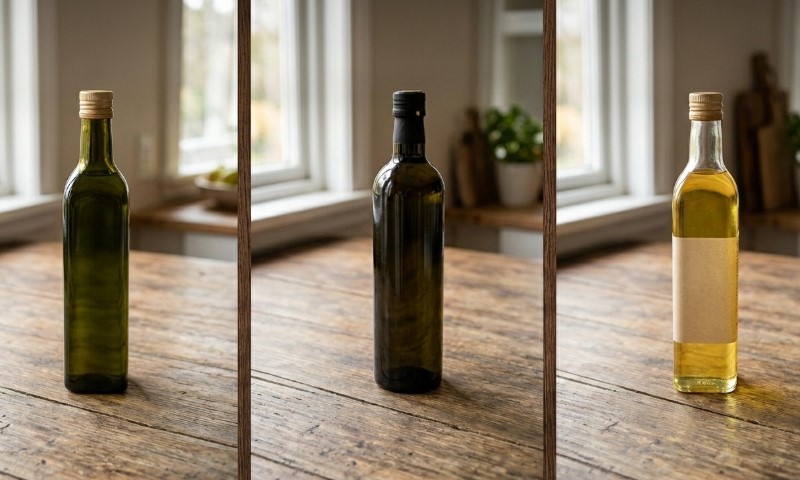
Cooking oils often create confusion because nutrition advice can conflict.
Some people praise olive oil and avocado oil, while others criticize seed oils or promote alternative fats.
Healthiest oils are generally high in unsaturated fats, low in saturated fats, minimally processed when possible, and suited to the cooking temperature being used.
So, which oils actually deserve a place in your kitchen?
Let’s talk about it.
Why Fat Matters
Dietary fat plays an important role in daily nutrition because it helps your body absorb vitamins A, D, E, and K.
Fat also provides steady energy and can help you feel full longer after meals.
Several practical details show why fat quality matters:
- Vitamins A, D, E, and K are fat-soluble, meaning they need dietary fat for better absorption.
- Meals with some healthy fat can feel more satisfying than meals built only around refined carbohydrates.
- Fat quality matters more than avoiding all fat.
Unsaturated fats are usually the healthier type. Monounsaturated fats are found in olive oil, avocado oil, nuts, and nut oils.
Polyunsaturated fats include omega-3 and omega-6 fatty acids.
Omega-3 and omega-6 fats are essential because your body cannot make them on its own.
Replacing saturated fats with monounsaturated and polyunsaturated fats can help lower LDL cholesterol and reduce heart disease risk.
Avocado Oil
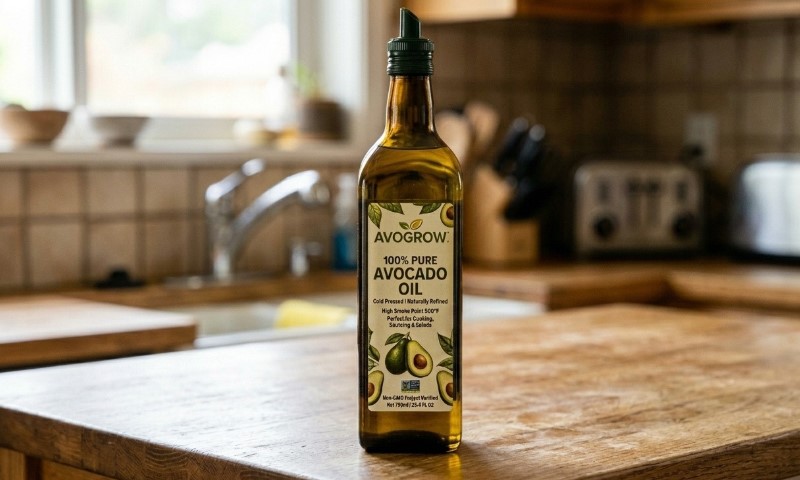
Avocado oil is extracted using avocado pulp and contains high amounts of monounsaturated fats and antioxidants.
Similar extraction methods are used for other plant-based products, including castor oil hair, though castor is mainly associated with hair and skin care rather than everyday cooking.
Because it comes from the fruit’s flesh rather than its seed, it has a slightly different makeup than many seed-based cooking fats.
Its nutrition profile is similar to olive-based fat. Both are known for monounsaturated fats, which are often linked with better heart-health outcomes when used in place of saturated fats.
Olive-based versions, however, contain more potassium, calcium, and iron.
Heat tolerance is the main advantage. A smoke point near 520°F makes it useful for cooking methods that need higher temperatures without quick smoking or burning.
Important details include:
- Smoke point: about 520°F
- Linoleic acid: about 10 to 20%
- Best role: high-heat cooking when extra virgin olive varieties may not be ideal
Mild flavor also makes it flexible. It can work in salad dressings, sauces, marinades, roasted vegetables, grilled foods, stir-fries, and seared meats.
Because the taste is not usually overpowering, it fits recipes where the other ingredients should stay noticeable.
People taking Warfarin should be cautious because avocado may interfere with its effectiveness.
Anyone using that medication should check with a healthcare professional before making avocado-based products a regular part of their diet.
Olive Oil
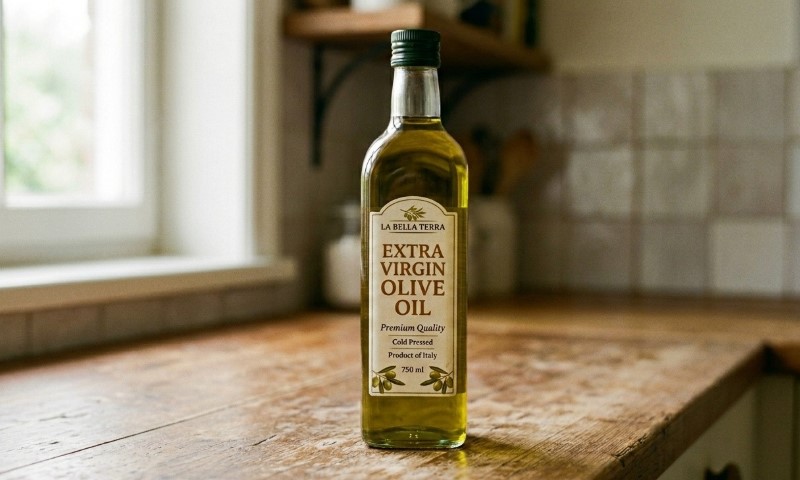
Olive oil is made by pressing whole olives, with extra virgin as the least processed type. It keeps more naturally occurring nutrients and antioxidants than more refined versions.
High levels of monounsaturated fats make it a strong everyday fat for meals. Antioxidants add more value, especially for people trying to choose fatps that support heart health.
Its role in the Mediterranean diet also adds to its strong reputation. Many eating patterns linked with better heart health include vegetables, grains, fish, beans, and salads.
Key cooking details include:
- Smoke point: about 320 to 376°F
- Best uses: salad dressings, sauces, dips, sautéing, baking, and roasting
- Linoleic acid: around 11% or more, depending on harvest and region
Extra virgin varieties work especially well when flavor matters. A small amount can improve salads, cooked vegetables, dips, and simple sauces without needing much added seasoning.
Seed Oils
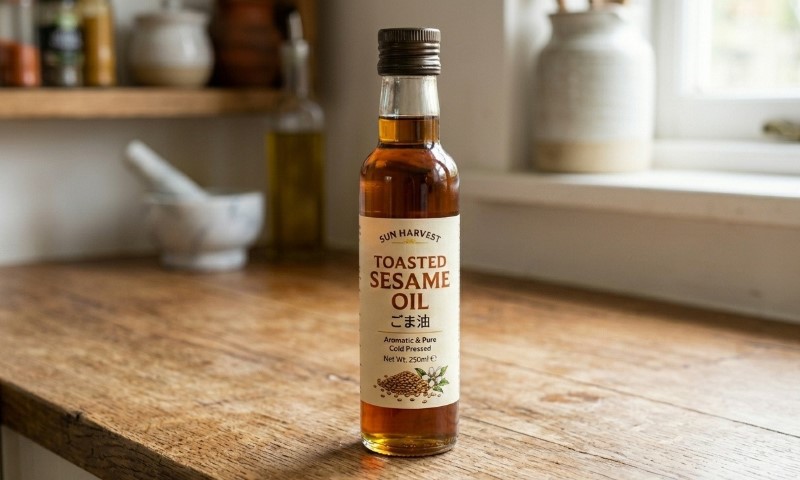
Seed oils include sunflower, canola, soybean, safflower, corn, and sesame oils. Many seed oils contain omega-6 fats, especially linoleic acid.
Seed oils are not toxic when used appropriately.
Omega-6 fats may contribute to pro-inflammatory compounds when eaten in excess, but moderate intake does not cause chronic inflammation.
Claims that seed oils are toxic or automatically inflammatory are not supported by scientific evidence.
Seed oils are often high in unsaturated fats and can support heart health, especially when they replace saturated fats.
Processing does not automatically remove healthy fats. Refined canola oil and sunflower oil still contain monounsaturated and polyunsaturated fats.
Bigger concern comes with ultra-processed foods, where seed oils are often used alongside excess calories, refined carbs, sodium, and added sugars.
Specific seed oils differ in fat profile and cooking use:
- Canola oil is low in saturated fat, high in monounsaturated fat, and has a smoke point around 400°F.
- Sunflower oil can be a good option, especially high-oleic versions that contain more monounsaturated fat. Smoke point is around 450°F.
- Safflower oil, especially high-oleic safflower oil, works well for frying and sautéing. Smoke point is around 510°F.
- Sesame oil contains vitamin E and phytosterols. Smoke point is around 410°F.
Some critics argue seed oils contain high levels of linoleic acid. Canola oil may contain over 21% linoleic acid.
Comparing the Oils
@drbergofficial
Extra virgin olive is the best everyday choice because it is high in monounsaturated fats and antioxidants.
It works especially well for dressings, dips, sauces, baking, roasting, and lower to moderate heat cooking.
Avocado-based cooking fat is the stronger pick for high heat. Its smoke point is about 520°F, which makes it useful for searing, grilling, stir-frying, roasting, and sautéing.
Seed-based choices are not inherently harmful, especially when they replace saturated fats. Quality, processing, and overall diet pattern still matter.
Main concern usually comes when they appear often in ultra-processed foods, not when they are used reasonably in home cooking.
Macadamia-based fat is another option because it is high in monounsaturated fats, has a high smoke point, and contains about 2% linoleic acid.
Marketing around it can be connected to companies selling macadamia products, so that claim should be viewed with caution.
Most useful choices depend on cooking method and nutrition goals:
- For dressings and dips: extra virgin olive
- For high heat: avocado, high-oleic sunflower, safflower, or canola
- For heart-health support: olive, avocado, canola, sunflower, and other unsaturated plant-based choices
Overall, the best choice depends on how it will be used. Extra virgin olive works well for daily meals, avocado fits higher heat, and seed-based options can fit a healthy diet when used in moderation.
Summary
No single oil is perfect for every cooking method.
Olive oil is the strongest everyday option. Avocado oil is especially useful for high-heat cooking.
Seed oils should not be automatically feared, but moderation matters. It is also important to separate seed oils themselves from ultra-processed foods that often contain them.
Healthiest approach is to prioritize unsaturated oils, match each oil to the cooking method, and judge your overall diet instead of focusing on one oil alone.