Needing spine surgery often brings one urgent question to mind: when can training start again? For athletes and running coaches, time away can feel personal, not just physical.
Training is part of routine, identity, confidence, and long-term goals.
With the right surgeon, a careful rehab plan, and steady patience, a safe return to sport is possible without rushing the healing process.
How Does the Road to Recovery After Spine Surgery Look?
No universal timeline applies to training again after spine surgery.
Two athletes with similar fitness levels may heal at different speeds because surgery type, technique, sport demands, pain response, and rehab quality all shape the process.
A runner, swimmer, cyclist, and weightlifter may all need different return-to-training plans, even after a similar procedure.
Common spine procedures can also lead to different activity timelines.
A microdiscectomy may allow earlier controlled movement in many cases, while spinal fusion often requires more patience before impact, twisting, heavy loading, or aggressive sport-specific drills return.
Why Recovery Timelines Vary for Every Athlete
Procedure type has a major effect on recovery. Less invasive techniques may limit tissue disruption, reduce early soreness, and support earlier walking compared to traditional open surgery.
Fusion procedures usually need more time because the spine must heal in a stable position before heavier movement demands return.
Minimally Invasive Spine Surgery
Minimally invasive spine surgery uses smaller incisions and specialized instruments to reduce disruption around nearby muscles and tissues.
For athletes, that can matter because early mobility, pain control, and tissue healing often affect how soon rehab can begin.
Several details can influence early recovery after a minimally invasive procedure:
- Smaller incisions may mean less soft tissue irritation.
- Lower tissue disruption may support earlier walking.
- Reduced bleeding and shorter hospital time may help some patients begin rehab sooner.
- Faster early mobility does not mean faster return to full sport.
Your surgeon’s guidance is essential. A return to high-level activity often happens around the three-month mark, but this isn’t a hard-and-fast rule.
Research shows that 83.9% of surgeons explain post-operative care to their patients, and 71% believe sports can aid recovery.
Key Factors That Influence Your Healing Process
Surgery type starts the recovery process, but it does not control every result.
Age, general health, sleep quality, nutrition, pre-surgery conditioning, pain levels, and rehab consistency can all affect progress. Athletic background matters too because each sport places different stress on the spine.
Training demands should be judged by movement pattern, not only effort level.
Distance running creates repeated impact. Swimming may reduce joint stress, but still requires spinal control.
Cycling can feel easier on impact, yet posture can irritate the back if the setup is poor. Strength training may return later because loading, bracing, and technique need careful progression.
A gradual plan gives your body a better chance to rebuild capacity without setbacks.
Instead of chasing pre-surgery intensity too early, recovery should move through walking, mobility work, core activation, low-impact conditioning, basic strength, and sport-specific training once your medical team clears each step.
How to Make the Most of Your Rehabilitation
Rehabilitation becomes your new training plan after spine surgery. A safe return to sport depends on more than rest, motivation, or pain tolerance.
Athletes need a structured program led by qualified professionals, with each phase matched to healing, movement quality, and surgical guidelines.
Rushing rehab can delay progress. Skipping it can leave weak spots that show up later during running, lifting, cutting, twisting, or long training sessions.
A well-built rehab plan helps rebuild control before intensity returns.
The Critical Role of Early Physical Therapy
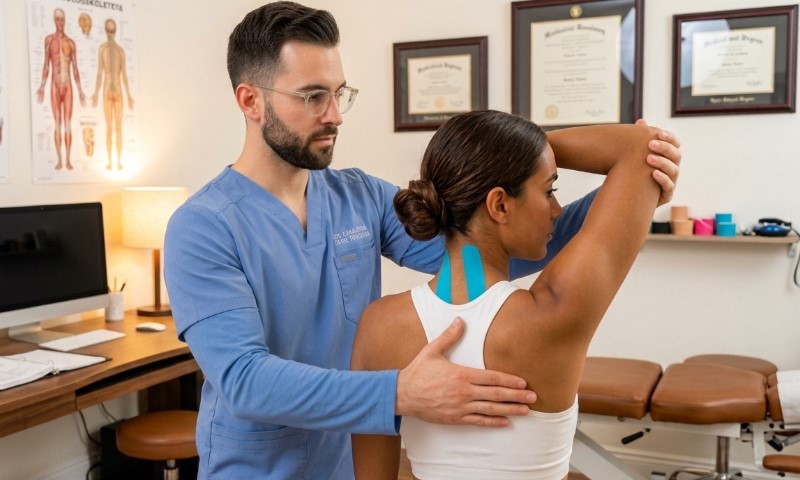
Physical therapy often begins a couple of weeks after surgery.
A licensed physical therapist should build a plan that protects the surgical area while restoring movement, activating key muscles, and helping you regain confidence.
Functional physical therapy sessions often begin about 15 days after surgery.
Early plans commonly target muscles that support posture, pelvic control, and lower-body movement.
Key early rehab targets often include:
- Transversus abdominis activation for core support.
- Lower-limb strengthening to reduce pressure on healing spinal tissues.
- Gentle mobility work to restore controlled movement.
- Walking progression to rebuild endurance without heavy impact.
Structured early rehabilitation can significantly improve disability scores and reduce pain during the first few months after surgery.
For athletes, that early progress matters because better movement control can make later training phases safer.
Foundational Exercises for a Safe Return to Fitness
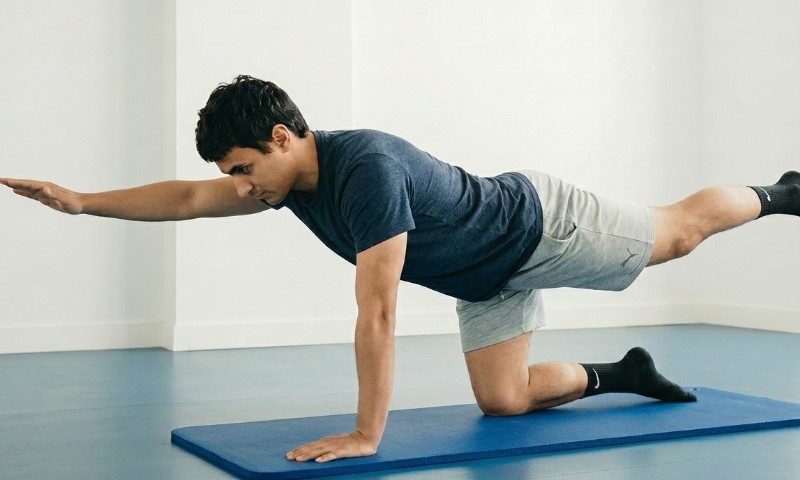
Early rehab rarely feels like athletic training at first.
Sessions often focus on coordination, breathing, posture, core support, and controlled movement.
Neural mobilization and stabilization work may also help reintroduce movement patterns before higher training loads return.
Small movements can still have a major effect during this stage. A simple drill may teach your body how to brace, hinge, rotate safely, or walk with better control. Outpatient Procedures
Outpatient Procedures
Outpatient spine procedures take place in a medical facility, but patients usually go home the same day.
For many athletes, same-day discharge can make recovery feel less disruptive because healing begins in a familiar setting rather than an overnight hospital stay.
Outpatient care can offer practical recovery benefits in selected cases:
- Less time in a hospital setting.
- Return to a home recovery routine earlier.
- Lower overall care costs in many cases.
- Faster transition into walking and basic daily movement when cleared.
Patients may use a lumbar orthosis during the first six weeks, take pain medication as needed, and attend structured physical therapy while movement improves.
Rebuilding basic strength after surgery is essential because weak support muscles can increase stress on healing tissues once training resumes.
Training Safely Post-Surgery
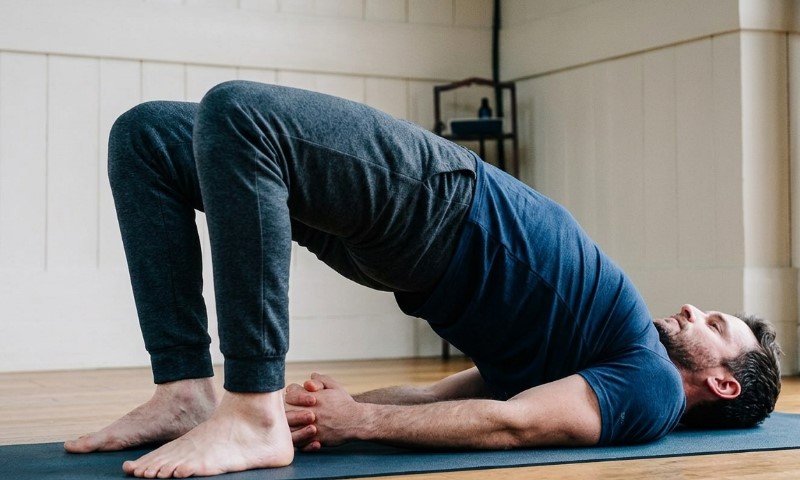
Once your surgeon and physical therapist clear you, training becomes more active, but not fully open-ended.
Discipline matters during this stage because feeling better does not always mean your spine is ready for full speed, heavy loads, or repetitive impact.
Orthopedic specialists often recommend foundational back-strengthening exercises in short sessions lasting 10 to 30 minutes, up to three times per day.
Listening to Your Body to Prevent Re-Injury
Athletes need to separate normal soreness apart from warning signs. Regular post-workout soreness usually feels like muscle fatigue and improves with rest.
Pain that feels sharp, spreads, or changes sensation deserves more caution.
Stop training and contact your medical team when these symptoms appear:
- Sharp back pain during or after movement.
- Pain traveling down one or both legs.
- Numbness, tingling, or weakness.
- Symptoms that get worse after rest.
- Loss of control, balance, or normal movement quality.
Ignoring these signs can turn a small setback into a longer recovery problem. Progress should feel steady, not forced.
A Phased Approach to Increasing Workout Intensity
Recovery works best in stages. Early movement should build confidence and circulation.
Low-impact cardio, such as walking or swimming, can help rebuild endurance before strength work returns.
After that, body weight exercises can help restore control, balance, and basic strength with close attention to form.
A practical training progression may look like:
- Walking and gentle mobility.
- Core activation and basic stabilization.
- Low-impact cardio.
- Body weight strength work.
- Light resistance training.
- Sport-specific movement.
- Controlled return to practice.
- Competition only after medical clearance.
Every patient needs an individual plan based on procedure type, symptoms, healing speed, and sport demands.
Your surgeon and physical therapist should set clear milestones, so progress is based on readiness, not ego or a calendar date.
Top 3 Spine Surgery Specialists Around the U.S.
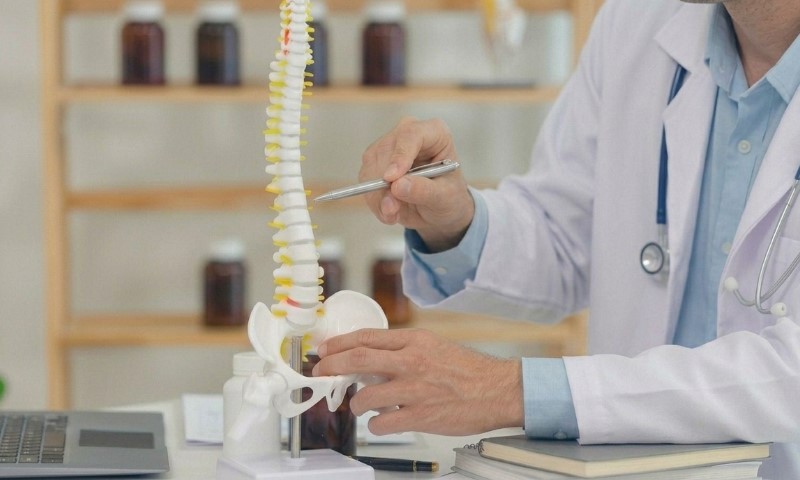
A successful recovery starts with choosing the right surgical partner.
These specialists have proven experience treating athletic injuries and using advanced techniques that get you back to your sport safely.
What separates elite spine surgeons from standard providers? Advanced minimally invasive methods.
Experience with athletic populations. Outpatient surgical capabilities. Proven track record with competitive athletes. Commitment to mobility preservation.
1. Rojeh Melikian, M.D. (Southern California)
Image source: Rojeh Melikian, M.D.
Rojeh Melikian, M.D., is a leading choice for athletes in Southern California seeking spine surgery expertise. His practice specializes in minimally invasive techniques that accelerate recovery and minimize post-operative pain. Dr. Melikian’s approach delivers measurable benefits. Reduced tissue trauma. Smaller incisions. Less bleeding during surgery. Faster return to light activity. Lower risk of complications.
Dr. Melikian focuses on outpatient procedures, allowing patients to return home the same day. His recognition by Becker’s Spine Review and the clinic’s zero MRSA infection rate speak to the safety and quality standards athletes need.
2. Frank P. Cammisa Jr., M.D. (New York)
Frank P. Cammisa Jr., M.D., is a strong choice for athletes who need spine surgery with a focus on mobility and long-term function. He is Chief Emeritus of HSS Spine at Hospital for Special Surgery and a Professor of Clinical Orthopedic Surgery at Weill Cornell Medical College.
Dr. Cammisa specializes in minimally invasive spinal surgery, computer-assisted spinal surgery, microsurgery, athletic spinal injuries and motion-preserving procedures, including artificial disc replacement. For athletes, that background matters because returning to sport often requires more than pain relief. It requires careful planning around movement, loading, nerve protection and future performance. His work with professional, scholastic and recreational athletes makes him a relevant option for active patients who need spine care built around a safe return to activity.
3. Robert G. Watkins IV, M.D. (Southern California)
Robert G. Watkins IV, M.D., is a board-certified orthopedic spine surgeon known for treating high-level athletes. He specializes in minimally invasive spine surgery, artificial disc replacement and computer-guided spine surgery.
Dr. Watkins is the Director of the Marina Spine Center and has served as spine surgeon for major Los Angeles professional teams, including the Dodgers, Rams, Lakers, Clippers and Kings. That experience makes him especially relevant for athletes who need care that considers performance demands, return-to-play pressure and long-term spinal function. His focus on advanced surgical techniques and athletic populations fits patients who want a specialist familiar with competitive recovery goals.
Top 3 Spine Surgery Clinics in the U.S.
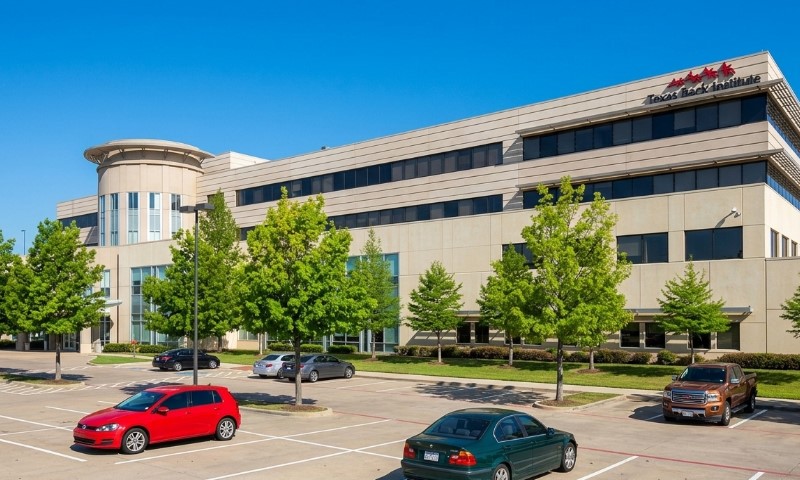
Choosing a spine surgery clinic is one of the most important decisions an athlete can make before treatment.
A strong clinic should offer more than surgical skill. It should provide advanced diagnostics, minimally invasive options, clear recovery guidance, and coordinated rehabilitation support.
1. Texas Back Institute (Texas)
Image source: Texas Back Institute
Texas Back Institute offers comprehensive spine care through a multidisciplinary team approach, drawing on decades of experience. The institute brings together spine surgeons, pain management specialists and rehabilitation experts to address complex cases. This team-based structure benefits athletes requiring extensive treatment coordination. The provider’s long-standing presence in Texas establishes it as a trusted regional leader.
2. Deuk Spine Institute (Florida)
Image source: Deuk Spine Institute
Deuk Spine Institute focuses on pioneering surgical techniques, such as the Deuk Laser Disc Repair®, positioning itself as an innovative alternative to traditional fusion procedures. For athletes concerned about preserving mobility and function, these advanced techniques offer options that prioritize movement preservation. The institute’s commitment to less invasive procedures appeals to active individuals who want to maintain their athletic capabilities.
3. Southeastern Spine Institute (South Carolina)
Image source: Southeastern Spine Institute
Southeastern Spine Institute provides a full continuum of care, from initial diagnostics through surgery and physical therapy, all at on-site facilities. This integrated model streamlines the patient experience by consolidating multiple services into a single location. Athletes benefit from the convenience and continuity this model offers. As a major regional provider for the Carolinas and surrounding areas, the institute serves patients seeking comprehensive spine treatment.
Methodology
These specialists meet several key criteria important to athletic recovery:
- Minimally invasive techniques: These approaches reduce tissue trauma with shorter incisions and less muscle damage, resulting in faster healing for athletes.
- Outpatient capabilities: Same-day discharge allows you to begin recovery in familiar surroundings rather than a hospital room.
- Athletic experience: Each practice demonstrates experience treating athletes who need to return to demanding physical activities.
- Proven outcomes: National recognition and positive patient outcomes further validate each provider’s expertise in spine surgery.
Frequently Asked Questions
Athletes recovering from spine surgery often have concerns about their return to sport. These questions address common uncertainties.
Charting Your Course Back to Peak Performance
Recovery from spine surgery is a marathon that requires patience and perseverance. The timeline varies for every athlete. Your procedure, body and dedication to rehabilitation shape it. Listen to your body’s signals, respect the healing process and partner with medical experts who understand your athletic goals. Take the first step by consulting with a spine specialist who can create your personalized roadmap back to the activities you love.