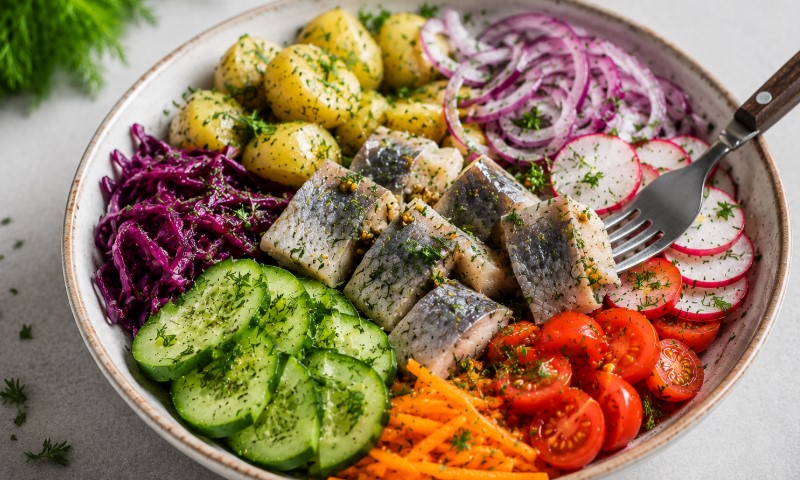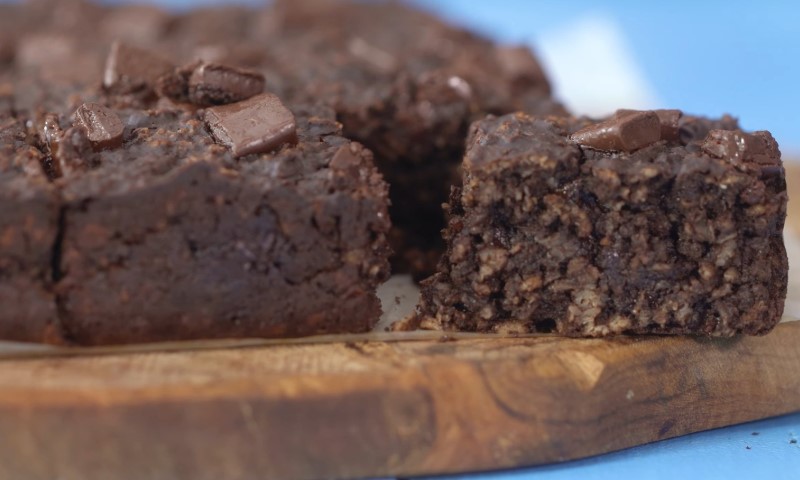
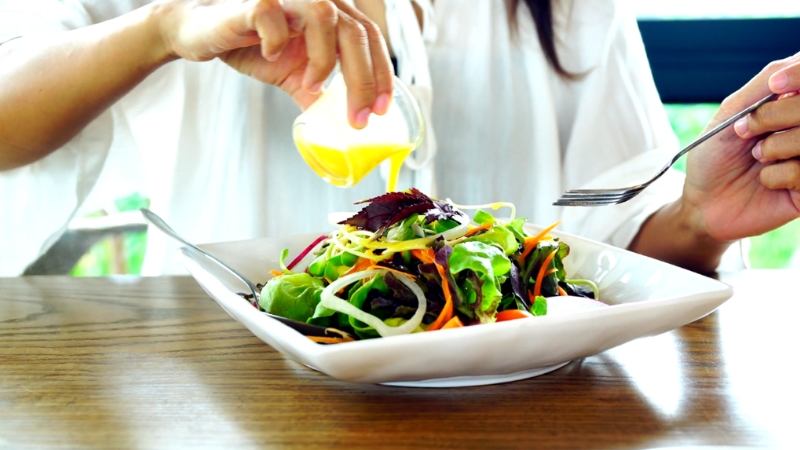
Chronic inflammation rarely announces itself loudly. It sits in the background, quietly shaping how the body responds to food, stress, sleep loss, and daily habits. Over the years, that low-grade immune activation is linked to a higher risk for cardiovascular disease, type 2 diabetes, and several autoimmune and neurodegenerative conditions.
Blood markers such as C-reactive protein (CRP) and interleukin-6 (IL-6) often reflect those shifts, offering a measurable window into what everyday choices are doing under the surface.
Inflammation is not the enemy. Acute inflammation helps heal injuries and fight infections. Trouble starts when inflammatory signaling stays switched on long after it should have quieted down.
Food patterns, movement, sleep, stress exposure, and alcohol intake all influence how often that switch flips and how long it stays there. The goal is not perfection or a short cleanse. The goal is building habits that send calmer signals to the immune system day after day.
The Eating Pattern With the Strongest Track Record
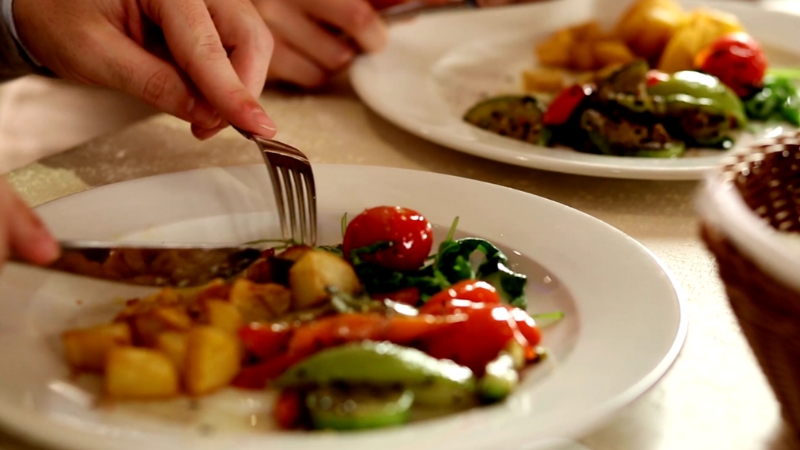
Across clinical trials and large population studies, the most consistent anti-inflammatory approach resembles a Mediterranean-style pattern.
Meals emphasize vegetables, fruit, legumes, whole grains, nuts, olive oil, herbs, and spices, with seafood appearing regularly. Processed meats, refined grains, and sugary foods play a minimal role.
Practical translation stays simple: build most meals around plants and fiber, use olive oil as the default fat, and rotate seafood as a regular protein source. Consistency carries more weight than novelty.
Best Foods for Inflammation Reduction
The foods below appear repeatedly in high-authority clinical guidance and evidence summaries. Each entry includes a realistic way to bring it into daily life.
1. Extra-Virgin Olive Oil
Why It Helps
Rich in monounsaturated fats and bioactive compounds associated with healthier inflammatory markers in Mediterranean-style eating.
How to Use It
Dress salads, drizzle over roasted vegetables, finish soups, or sauté beans and greens.
2. Fatty Fish and Seafood
Salmon, sardines, mackerel, herring
Why It Helps
Provides EPA and DHA omega-3 fats that influence inflammatory mediators. Regular fish intake is widely recommended for cardiovascular and metabolic health.
How to Use It
Bake salmon with herbs, add canned sardines to salads, or include seafood in grain bowls.
3. Nuts and Seeds
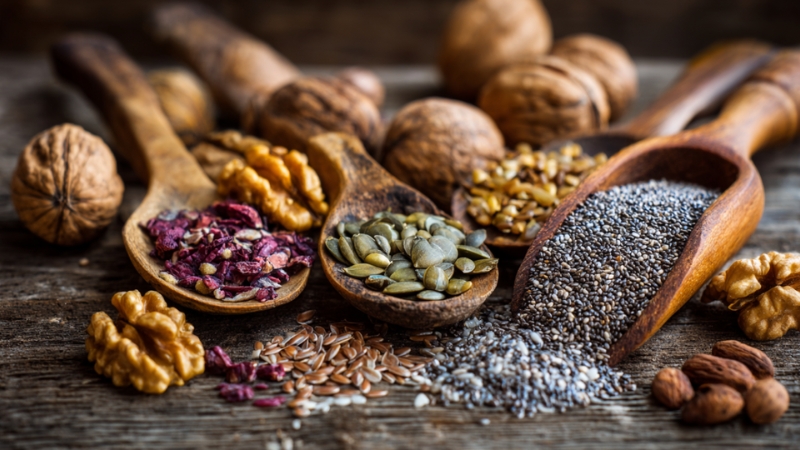
Walnuts, chia, flax, pumpkin seeds
Why It Helps
Offer fiber, minerals, polyphenols, and plant-based omega-3 fats such as ALA. Such foods often replace refined snacks or processed meats in anti-inflammatory patterns.
How to Use It
Stir into oats or yogurt, blend chia into smoothies, sprinkle pumpkin seeds on salads.
4. Legumes
Beans, lentils, chickpeas
Why It Helps
High fiber intake supports gut-derived anti-inflammatory metabolites. Legumes also displace processed meats and refined carbohydrates when used as staples.
How to Use It
Prepare lentil soup, chickpea salads, bean chili, or hummus for snacks.
5. Whole Grains
View this post on Instagram
Oats, barley, brown rice, whole wheat, quinoa
Why It Helps
Provide fiber and micronutrients with a steadier glycemic impact than refined grains.
How to Use It
Swap white rice for barley or brown rice, choose oats for breakfast, and add quinoa to salads.
6. Leafy Greens
Spinach, kale, arugula
Why It Helps
High nutrient density and frequent inclusion in vegetable-forward eating patterns are linked to lower inflammation.
How to Use It
Sauté with garlic and olive oil, add to soups, blend into smoothies if taste limits intake.
7. Cruciferous Vegetables
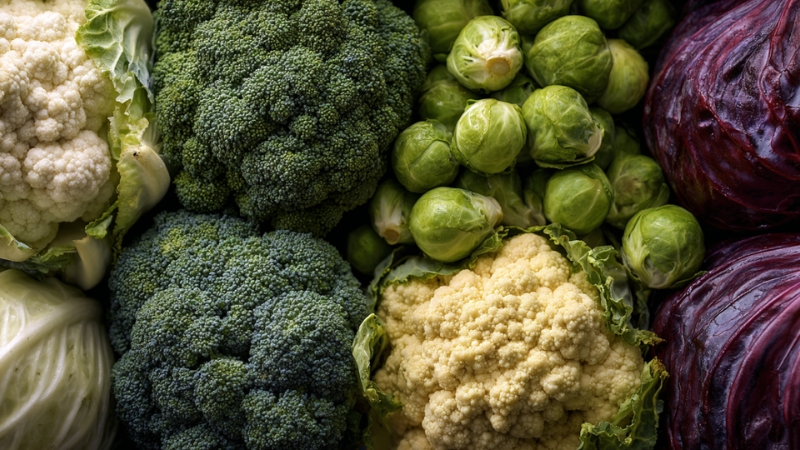
Broccoli, cauliflower, Brussels sprouts
Why It Helps
Associated with antioxidant activity and supportive effects within vegetable-rich dietary patterns.
How to Use It
Roast at high heat with olive oil and spices, or steam lightly and finish with lemon.
8. Berries
Blueberries, strawberries, raspberries
Why It Helps
Contain polyphenols and antioxidants frequently highlighted in anti-inflammatory guidance.
How to Use It
Add frozen berries to oats, yogurt, or smoothies.
9. Tomatoes and Tomato Products
@eatburnsleep My go to tomato salad #antiinflammatory #guthealth #eatburnsleep ♬ original sound – Eat Burn Sleep
Why It Helps
Regularly appear in Mediterranean-style eating discussions related to inflammation.
How to Use It
Cook tomato sauce with olive oil, add chopped tomatoes to salads, roast tomatoes for grain bowls.
10. Allium Vegetables
Garlic, onions, leeks
Why It Helps
Common in traditional diets associated with healthier inflammatory profiles.
How to Use It
Build flavor in soups, beans, and vegetable sautés without relying on processed sauces.
11. Fermented Foods
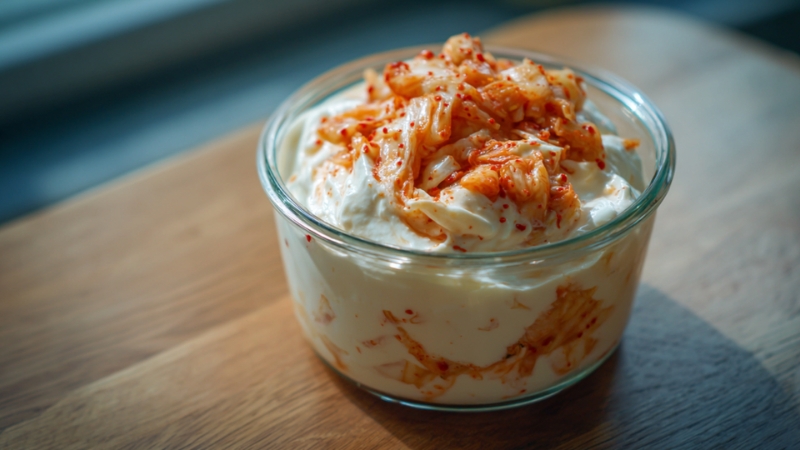
Yogurt with live cultures, kefir, kimchi, sauerkraut, miso
Why It Helps
A controlled dietary trial showed increased microbiome diversity alongside reductions in several inflammatory markers after higher fermented-food intake.
How to Use It
Use kefir in smoothies, yogurt with berries, or small daily servings of kimchi or sauerkraut.
12. Herbs and Spices
Turmeric, ginger
Why It Helps
Clinical trials suggest dose-dependent effects on inflammatory markers in specific contexts. Results vary by population and formulation.
How to Use It
Cook turmeric into soups, rice, or eggs. Add ginger to tea, marinades, or stir-fries. Supplements require caution due to interactions.
Buying and Using Anti-Inflammatory Foods
| Food or group | Why it matters | Easy way to use it soon |
| Olive oil | Core fat in Mediterranean-style eating | Replace butter where appropriate |
| Fatty fish | Omega-3 EPA and DHA | Aim for 2 fish meals weekly |
| Beans and lentils | Fiber and plant protein | One bean-based meal weekly |
| Whole grains | Fiber and steadier glucose | Oats for breakfast, barley in soups |
| Leafy greens | Micronutrient density | Add a large handful daily |
| Cruciferous vegetables | Vegetable-forward pattern support | Roast a sheet pan for leftovers |
| Berries | Polyphenols | Frozen berries at breakfast |
| Fermented foods | Microbiome diversity | Yogurt or kefir daily |
| Turmeric and ginger | Targeted evidence in trials | Cook with spices, avoid mega-dosing |
Consistency delivers the highest return.
Foods and Patterns That Commonly Push Inflammation Upward
Most reputable clinical guidance converges on a familiar group of drivers:
- Ultra-processed foods. Industrial formulations high in refined starches, added sugars, and processed fats show links with higher inflammatory markers in observational research.
- Refined carbohydrates and sugary drinks. Frequent glucose spikes amplify inflammatory pathways.
- Processed meats and excess saturated fat. Often bundled together within ultra-processed eating patterns.
Practical Swaps That Usually Work
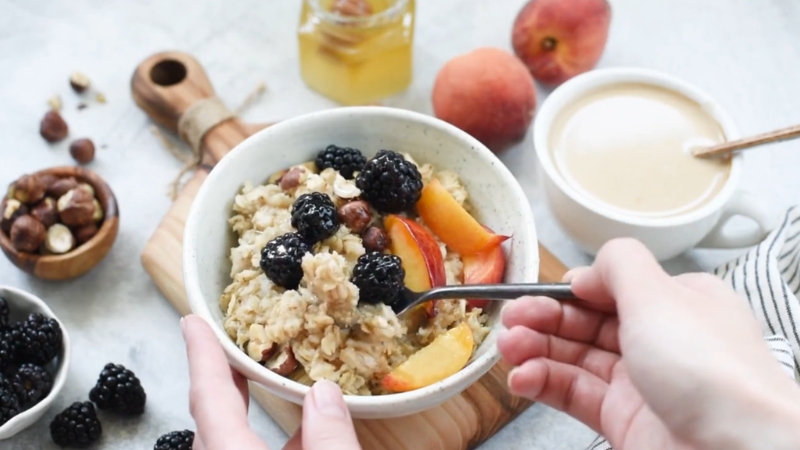
- Breakfast: pastries or sweet cereals become oats with berries and nuts.
- Lunch: deli sandwiches shift to grain bowls with beans, greens, and olive oil dressing.
- Dinner: fried or packaged entrées give way to sheet-pan vegetables with fish or legumes.
- Snacks: chips and candy move toward yogurt, fruit, nuts, or hummus with vegetables.
Lifestyle Changes That Reduce Inflammation Beyond Diet
Food matters, yet inflammation responds to broader signals. Sleep quality, stress exposure, physical activity, and in some cases, adjunct therapies like hyperbaric therapy Los Angeles can all influence inflammatory pathways.
1. Train Consistently With Mixed Modalities

Exercise training is associated with lower CRP on average, with stronger effects often appearing alongside reductions in body fat.
Practical Structure
- 3 resistance sessions per week using full-body movements
- 2 to 4 days of brisk walking, cycling, swimming, or similar
- Short movement breaks during long sitting periods
2. Protect Sleep Duration and Continuity
Sustained partial sleep deprivation elevates IL-6 and CRP in controlled settings. Poor sleep and inflammation reinforce each other over time.
Practical Moves
- Fixed wake time
- Morning light exposure
- Caffeine cutoff earlier in the day
- Cooler bedroom temperature
- Reduced screen exposure late evening
3. Reduce Excess Weight Gradually When Relevant
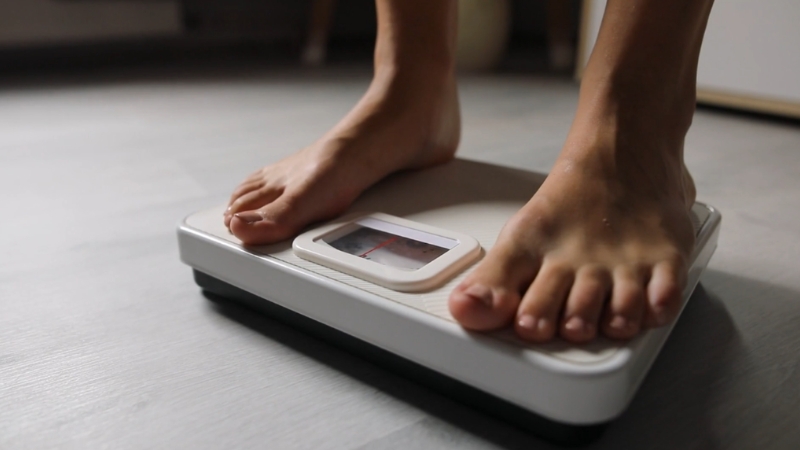
Weight loss across various intervention types is associated with declines in CRP. Extremes rarely help.
Practical Approach
- Higher fiber meals
- Protein at each meal
- Routine daily activity
4. Manage Stress Through Physiological Downshifting
Mindfulness-based programs show small to moderate effects on certain inflammatory biomarkers, varying by population and structure.
Options That Often Stick
- Structured mindfulness courses
- Breathwork
- Therapy
- Daily walking without a phone
- Consistent sleep routines
5. Focus On Gut Health Behaviors With Measurable Impact
Higher fiber intake, wider plant variety, and fermented foods remain the strongest levers. Dietary trials support improvements in inflammatory markers alongside microbiome diversity changes.
6. Limit Heavy Alcohol Intake
New Developments on the Effects of #Alcohol Use on Immunity, Inflammation and Organ Functionhttps://t.co/pOtqP75pG5
— Alcohol Journal (@JournalAlcohol) April 30, 2025
Chronic heavy drinking disrupts immune function and promotes inflammatory processes. Moderation protects immune balance.
7. Treat Activity as a Daily Input
Inflammation responds to repeated signals rather than occasional effort. Routines that survive busy weeks outperform ambitious plans that collapse.
8. Use a Simple Monitoring Loop
Tracking a few indicators helps guide adjustments without obsession:
- Daily vegetable servings
- Weekly fish or seafood servings
- Weekly resistance sessions
- Average sleep duration
Change one variable for 2 to 4 weeks before reassessing.
A Realistic 7-Day Anti-Inflammatory Setup
- Day 1: Shop using a focused list including olive oil, fish, beans, oats, berries, greens, crucifers, yogurt, or kefir.
- Day 2: Cook a large pot of lentil soup or bean chili.
- Day 3: Add a fermented food daily.
- Day 4: Roast a sheet pan of mixed vegetables for leftovers.
- Day 5: Prepare a fish-based dinner.
- Day 6: Complete a resistance session and prioritize early sleep.
- Day 7: Repeat fish or legumes and prep breakfasts for the week.
Notes on Supplements
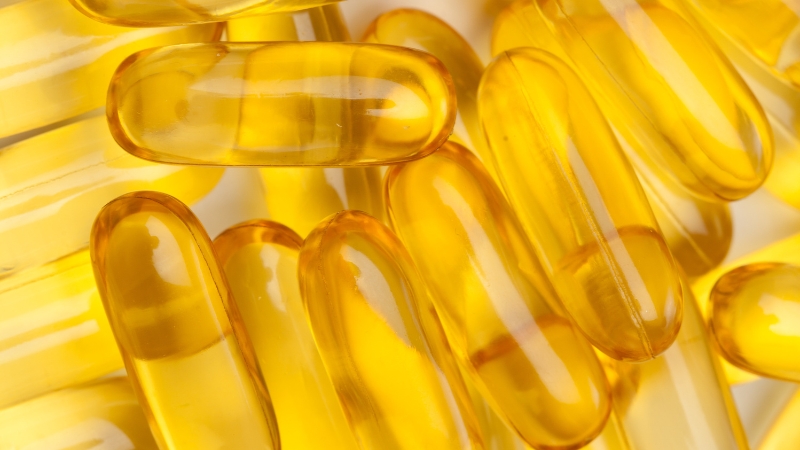
Most clinical guidance favors food-first strategies.
Supplements such as omega-3 oils, curcumin, or ginger extracts may help in specific contexts, yet product quality varies, and interactions occur, particularly with anticoagulants or chronic medications. Clinical guidance remains essential for individualized use.
Final Thoughts
Lowering inflammation rarely requires radical change. Patterns built from whole foods, regular movement, adequate sleep, stress management, and moderate alcohol intake steadily quiet inflammatory signaling.
Small, repeatable choices accumulate. Over time, blood markers shift, energy improves, and long-term risk trends downward.