

In a fitness market filled with coaches, standing out takes more than certifications and knowledge.
A clear personal brand creates trust, draws in the right clients, and separates your coaching services from others.
Branding becomes the foundation of long-term success because clients invest in a coach they believe in, not just a program they follow.
Let’s see some of the ways fitness coaches can brand themselves effectively.
1. Define Your Personal Brand Identity
Personal branding begins with clarity and intention. A strong personal brand statement connects values, coaching strengths, and the audience you serve in one focused sentence. That statement becomes a quick way for potential clients to recognize what you offer and why it matters.
Personal stories create emotional connection and help people relate to your message. Sharing moments that shaped your coaching approach makes your brand feel human and memorable instead of generic.
First impressions influence trust immediately. Appearance, communication style, and content tone all shape how clients perceive your professionalism. Consistency matters across every platform, because repeated exposure to the same style builds credibility.
A clear philosophy also gives people a reason to stay connected. Clients want to know what kind of coaching experience they can expect, especially when your approach is consistent across:
- social media presence
- client communication
- training programs
- overall coaching tone
2. Choose and Focus on a Strategic Niche
Specialization strengthens your coaching identity. A defined niche helps attract clients who need exactly what you provide, rather than forcing you to compete with every coach offering general fitness.
Examples of strong niche positioning include:
- strength training for women over 40
- mobility work for athletes
- fat loss support for busy professionals
- post-injury performance rebuilding
Trying to serve everyone weakens clarity and makes marketing less effective. Focus improves messaging and allows clients to feel spoken to directly.
Connection becomes stronger when your content, offers, and coaching style match a specific audience instead of broad general fitness themes.
3. Build a Strong Visual & Verbal Identity
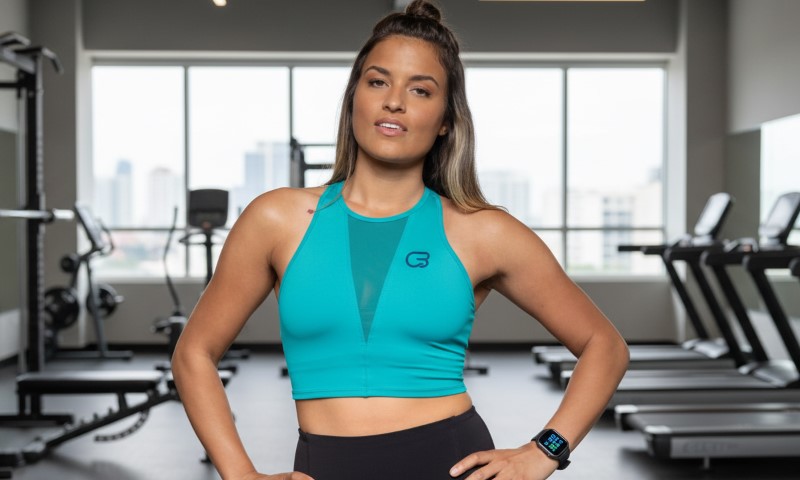
Visual identity shapes recognition and sets the tone for how clients perceive your coaching. A professional look creates immediate trust and helps your brand feel established even before someone speaks with you directly.
Consider creating custom branded merchandise, like hats, apparel, or other promotional products, to reinforce your visual identity on‑ and offline with help from The Monterey Company.
Every visual detail becomes part of the experience people associate with your services, so consistency matters at every step.
Branding visuals should remain consistent so potential clients can recognize your work quickly. A clear logo, defined brand color palette, and steady font choices help create familiarity over time.
When your posts, website, workout plans, and printed materials all share the same style, your coaching feels organized, intentional, and reliable.
Verbal identity matters just as much as appearance. Communication style shapes how clients connect with you emotionally.
Tone should align with the niche you serve. High-energy coaching fits performance training and intense workout environments, while calm and grounded language works better for yoga, mobility training, or recovery-focused clients.
Every caption, email, video, and client message reinforces your brand voice. Consistent communication builds trust because clients know what kind of experience to expect.
Presentation across business cards, websites, workout plans, and social media creates a polished and unified brand that feels professional at every touchpoint.
4. Develop a Signature Content Strategy
View this post on Instagram
Content builds authority over time and strengthens your coaching reputation long before a client signs up. Clear content pillars prevent random posting and keep your message focused.
Without direction, content can feel scattered, but with structure, every post supports your larger brand identity.
Selecting three to five content pillars makes consistent creation easier while keeping everything aligned with your coaching style.
Pillars provide a framework for what you teach, what you value, and what clients can expect.
Topics often include mindset coaching, education, progress proof, lifestyle habits, and insight into how you train clients.
Content should educate, inspire, and show results clearly.
Educational posts position you as a trusted coach, motivational posts strengthen emotional connection, and transformation-focused content provides proof that your methods work.
Weekly posting schedules maintain visibility, while repeated value builds trust over time.
When people consistently learn, feel inspired, or see client progress through your content, they become more likely to commit when the time comes.
5. Build and Optimize Your Online Presence

Online presence acts as your professional home.
A strong website helps potential clients take action instead of only scrolling social media. Clear calls to action matter because they guide visitors toward the next step.
Effective examples include:
- “Book a Session”
- “Get a Free Trial”
- “Start Coaching Today”
Google Business listings also increase local traffic and make it easier for nearby clients to find you.
Free lead magnets create additional trust by offering value before asking for commitment.
Meal plans, seven-day workout programs, or beginner guides work well because they also capture emails for future follow-up.
6. Showcase Social Proof & Credibility
Social proof builds trust faster than self-promotion. Real client outcomes show what your coaching delivers.
Testimonials, before-and-after images, and video success stories provide proof that results are possible.
Transformation stories matter because clients respond strongly to visible outcomes. Posting proof can include:
- written testimonials
- progress photos
- short client interviews
- milestone celebrations
Happy clients should also be encouraged to leave reviews on Google or Facebook. Credibility grows strongest when clients share their experiences in their own words.
7. Engage Authentically and Build Community

Connection turns an audience into a community. Interaction makes your brand feel personal instead of distant. Tools like Instagram Stories, TikTok Q&A sessions, and Facebook groups allow real-time engagement.
Community-building becomes stronger through content that invites participation, such as:
- question boxes
- live coaching discussions
- client check-in threads
- behind-the-scenes daily routines
Personality becomes a major strength in branding. Showing honest moments and real coaching energy helps clients connect with the person behind the programs.
8. Systemize Client Acquisition & Retention
Systems create consistency in growth. Free week trials help curious leads experience your coaching style before committing long-term. Structured offers remove uncertainty and increase conversion.
Retention improves through ongoing communication methods like email marketing, referrals, and consistent follow-up. Referral bonuses reward loyal clients while bringing in new ones through trust-based recommendations.
Client support feels stronger when structure stays organized, communication stays consistent, and coaching continues with clear long-term direction.
Summary
A strong personal brand forms the base of a successful fitness coaching business.
Applying these eight methods helps attract clients who align with your message, values, and training style.
Branding remains an ongoing process that changes with experience, audience needs, and market trends.
Authenticity, consistency, and delivering real value turn a coaching brand into a lasting asset.