
Achilles tendon rupture is a serious injury that affects mobility and athletic performance.
Healing tends to be slow due to the limited blood supply in the tendon and the high mechanical stress during walking and running.
A common question arises early in recovery: when can normal walking return, and when is running safe again?
Recovery timelines differ based on treatment type, quality of rehabilitation, and individual healing response. Progress depends heavily on consistent therapy and gradual loading.
Phase-by-Phase Recovery Timeline
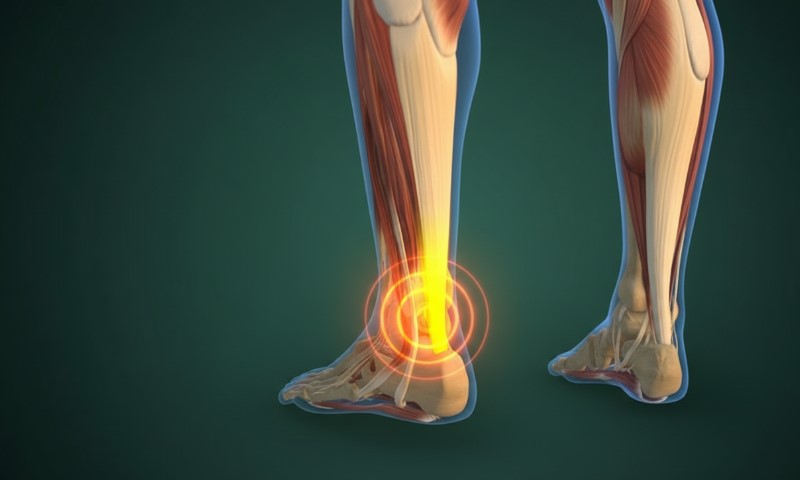
Recovery after an Achilles tendon tear follows a structured progression, and it can last up to a year.
Advancing too quickly can disrupt tendon repair, while progressing too slowly may delay functional recovery.
Phase 1: Immobilization and Protection (Weeks 0–2)
Initial weeks focus on protecting the injured tendon and allowing early healing to begin.
Foot positioning in plantarflexion reduces strain on the tendon, creating conditions for tissue repair.
A cast or walking boot is typically used, and weight-bearing is either avoided or kept very minimal.
Movement is highly restricted during this stage.
Key priorities during this period include:
- Keeping the tendon ends close together to support proper healing
- Managing swelling through elevation and limited activity
- Protecting surgical repair sites if surgery was performed
Pain control is important, though excessive movement must be avoided. Even small increases in tension can interfere with early healing.
Phase 2: Early Weight Bearing (Weeks 2–6)
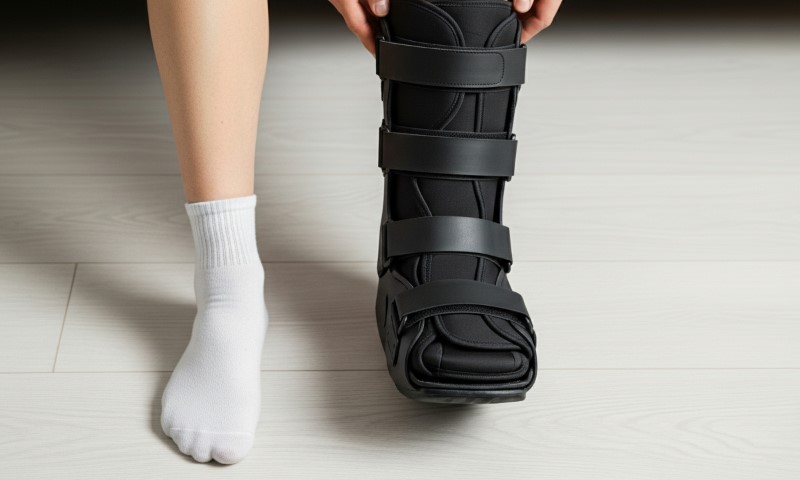
Gradual loading begins during this phase, marking an important transition in recovery. A walking boot remains in use, often with heel wedges that reduce tendon stretch.
Heel wedges are adjusted over time, which allows controlled increases in tendon length and loading.
Rehabilitation begins to introduce gentle activity, including support from specialized clinics such as longevity clinicians for individuals seeking a more personalized, longevity-focused approach to recovery, including:
- Light ankle movements within a safe range
- Early muscle activation exercises
- Basic physiotherapy routines focused on circulation and mobility
Walking is still assisted in many cases, especially early in this phase. Crutches are commonly used to control how much weight is applied.
Care must be taken to avoid overstretching. Sudden or excessive dorsiflexion can place harmful stress on healing tissue.
Phase 3: Mobility and Strength Building (Weeks 6–12)
Focus shifts toward restoring normal movement and rebuilding strength. Gradual removal of the boot and heel lifts allows transition into regular footwear.
Walking improves steadily, and many individuals begin to move more naturally between weeks 8 and 10. Gait retraining becomes an important part of rehabilitation.
- Improving ankle range of motion
- Rebuilding calf muscle activation
- Correcting walking mechanics to eliminate limping
Limping is very common at this stage and should not be ignored. Poor movement patterns can persist if not corrected early.
Running is still not appropriate, though the foundation for future activity is being developed through controlled strengthening.
Phase 4: Advanced Strength and Functional Training (Months 3–6)
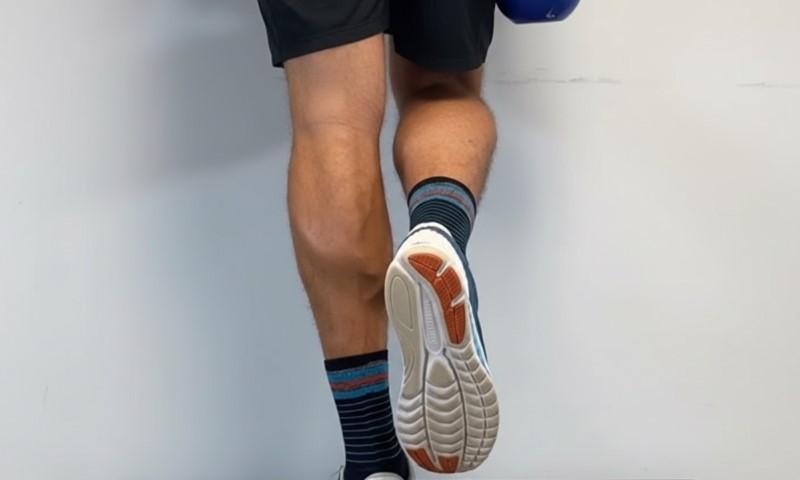
Strength development becomes more demanding, with progressive loading of the tendon and calf muscles.
Exercises move toward single-leg work, which is essential for functional recovery.
Eccentric strengthening plays a critical role in tendon remodeling and resilience. Controlled lengthening of the calf under load helps restore tendon capacity.
Training typically progresses through several stages:
- Double-leg calf raises transitioning to single-leg raises
- Controlled lowering exercises to build eccentric strength
- Functional drills that prepare the body for higher impact activity
Additional components are introduced to support full recovery. Balance and proprioception training improve joint stability and coordination.
Low-impact cardio is often added to maintain overall fitness. Common options include cycling and swimming, which allow conditioning without excessive tendon stress.
Phase 5: Return to Running (Around Months 4–6+)
Return to running depends on meeting physical criteria rather than reaching a specific time point. Strength, control, and load tolerance must all be demonstrated.
Before starting running, several benchmarks should be achieved:
- Ability to perform multiple single-leg heel raises with good control
- Minimal or no pain and swelling after exercise
- Stable balance during single-leg tasks
Running begins gradually using structured progressions. Walk-jog intervals are commonly used to introduce impact in a controlled way.
Starting too early significantly raises the chance of re-rupture. Tendon remodelling continues during this phase, meaning tissue is still adapting to stress.
Phase 6: Return to Sport (6–12 Months)
Full return to sport requires a higher level of strength, coordination, and confidence. Demands increase based on the intensity of the sport.
Progression includes more complex and dynamic movements:
- Sprinting and acceleration work
- Directional changes and cutting movements
- Plyometric drills such as jumping and landing
Strength symmetry between both legs is a key factor. Deficits in the injured leg can increase injury risk during high-intensity activity.
Many individuals regain strong function, though peak performance may take up to a year. Continued rehabilitation helps maintain gains and prevent setbacks.
Key Factors That Affect Running Timeline
Progress after an Achilles tendon tear does not follow a fixed schedule.
Multiple variables influence how quickly someone can safely return to running, and small differences in approach can lead to large differences in outcome.
Consistency in rehabilitation remains the most important factor. Regular, structured loading helps the tendon adapt and regain strength.
Missed sessions or irregular effort often slow healing and reduce overall progress.
Weakness in the calf is one of the most common limiting factors. Even if walking feels normal, reduced strength can make running unsafe.
Age also contributes to recovery speed. Younger individuals often regain strength more quickly, while older individuals may require more time to rebuild tissue capacity.
Loading strategy plays a major role as well. Gradual increases allow the tendon to adapt, while sudden spikes in activity can overload healing tissue and cause setbacks.
Mental readiness is another critical component. Confidence in the injured leg affects how force is applied during movement.
Hesitation or fear can lead to compensations that place stress on other areas of the body.
Signs You’re Ready to Run Again
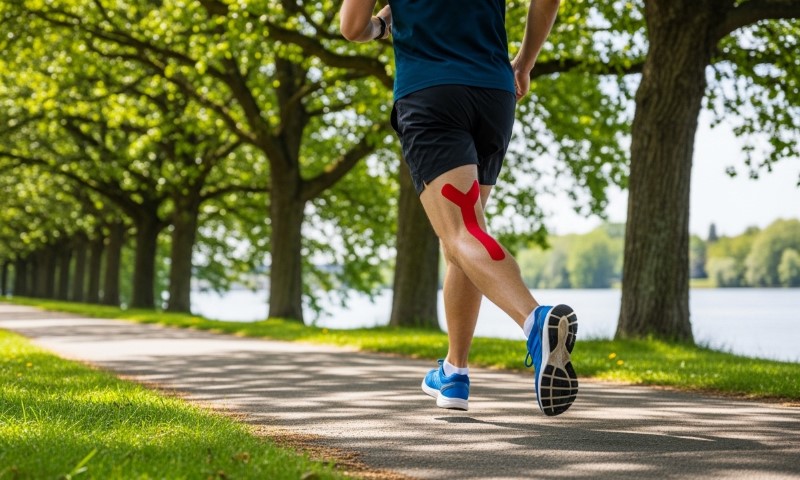
Transitioning into running should be based on clear physical benchmarks rather than time alone.
These signs indicate that the tendon can tolerate higher levels of stress.
Several key indicators should be present before starting a running program:
- Walking with a normal gait pattern and no visible limp
- Performing multiple single-leg heel raises with good control and endurance
- No swelling, stiffness, or pain after exercise or the following day
Strength alone is not enough. Movement quality must also be assessed.
Stable balance and controlled single-leg movements show that the body can manage impact forces.
Additional signs that support readiness include:
- Full or near-full ankle range of motion without discomfort
- Ability to perform functional tasks such as step-downs without instability
- Symmetry between both legs during strength and balance tasks
Post-activity response provides valuable feedback. Absence of increased soreness the next day suggests that the tendon is tolerating load well.
Clearance by a physiotherapist adds another level of safety. Professional assessment helps confirm that strength, control, and mobility meet the demands of running.
The Bottom Line
Achilles tendon recovery progresses through clearly defined stages. Strength and functional ability carry more importance than time alone.
A structured rehabilitation plan supports a safe return to running. Patience and consistency reduce risk of setbacks and reinjury.